Building and testing a Windom

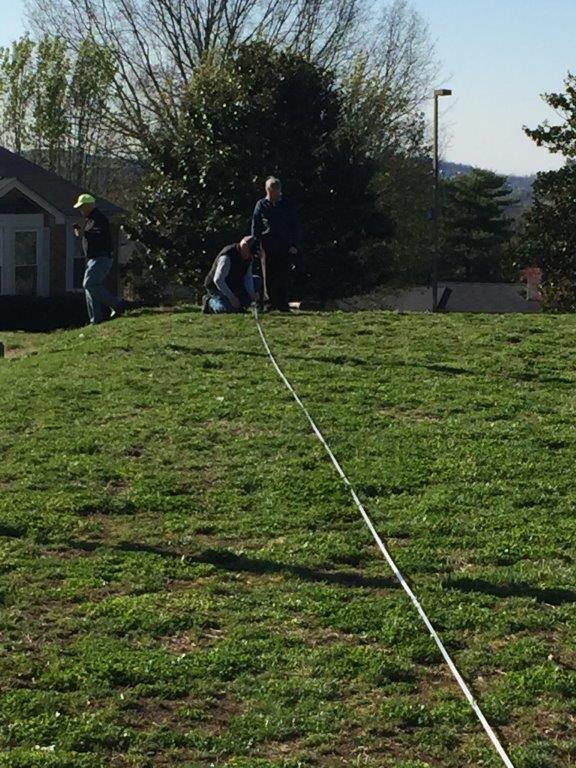
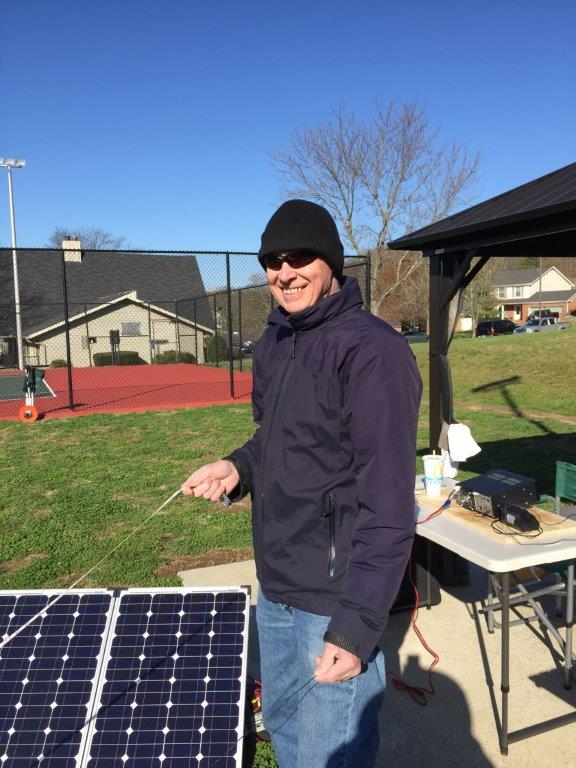
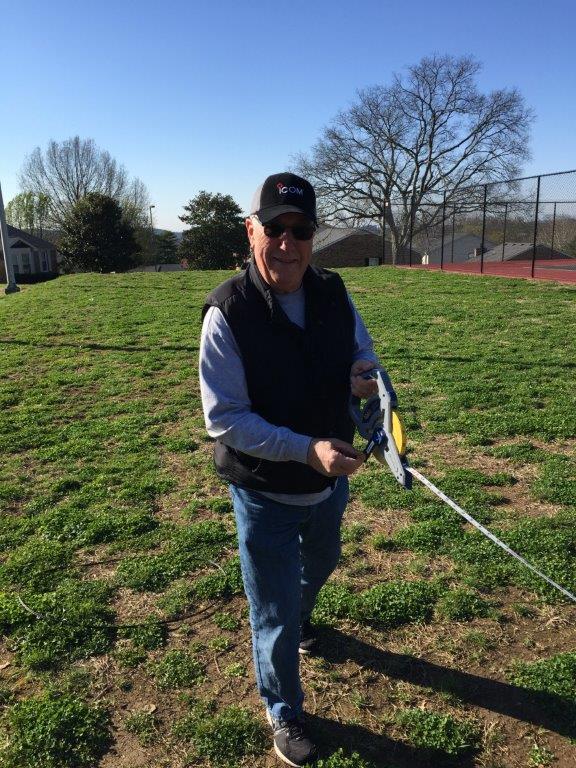
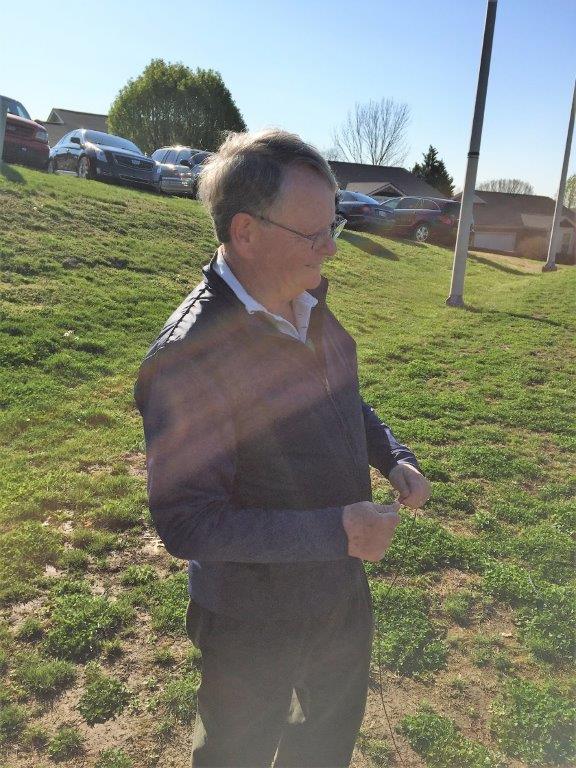
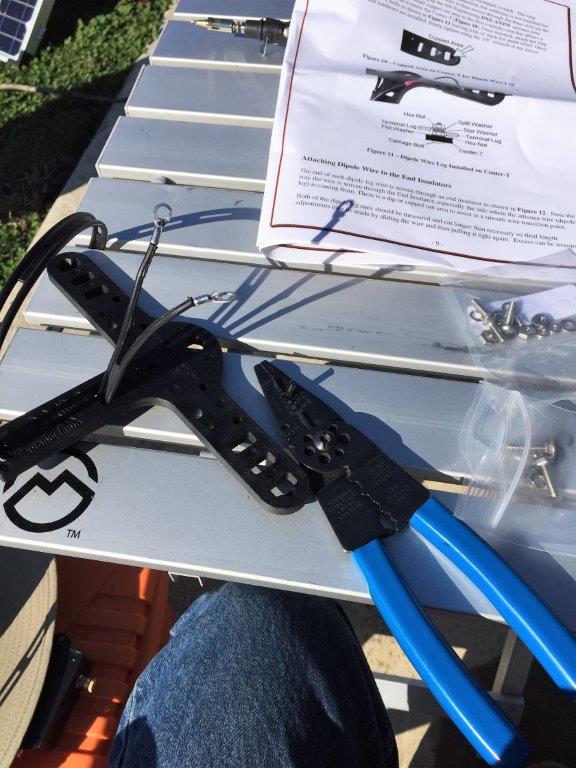
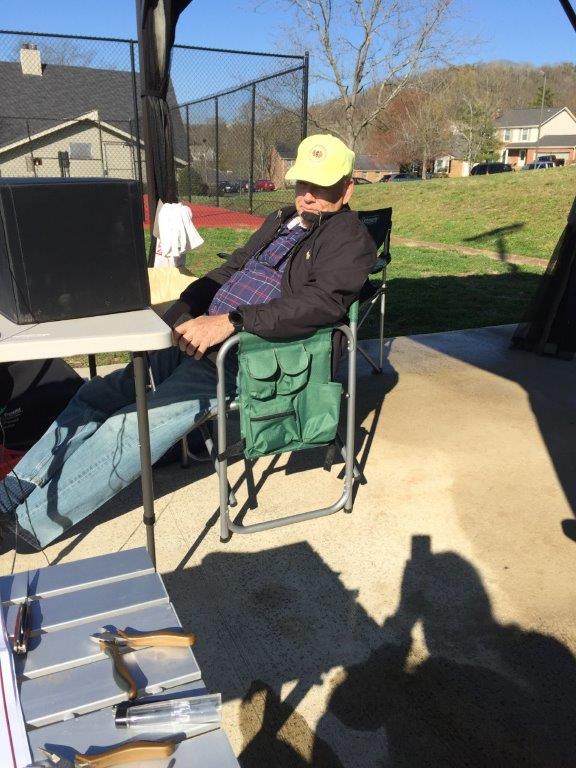
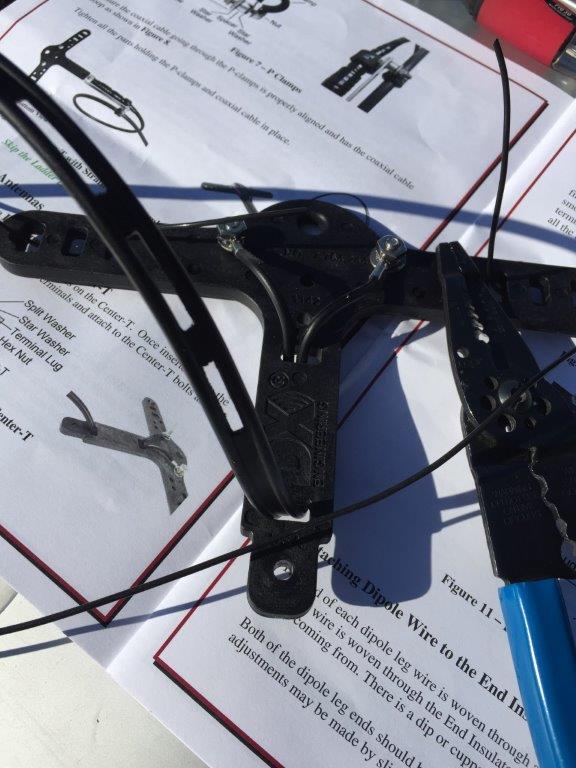
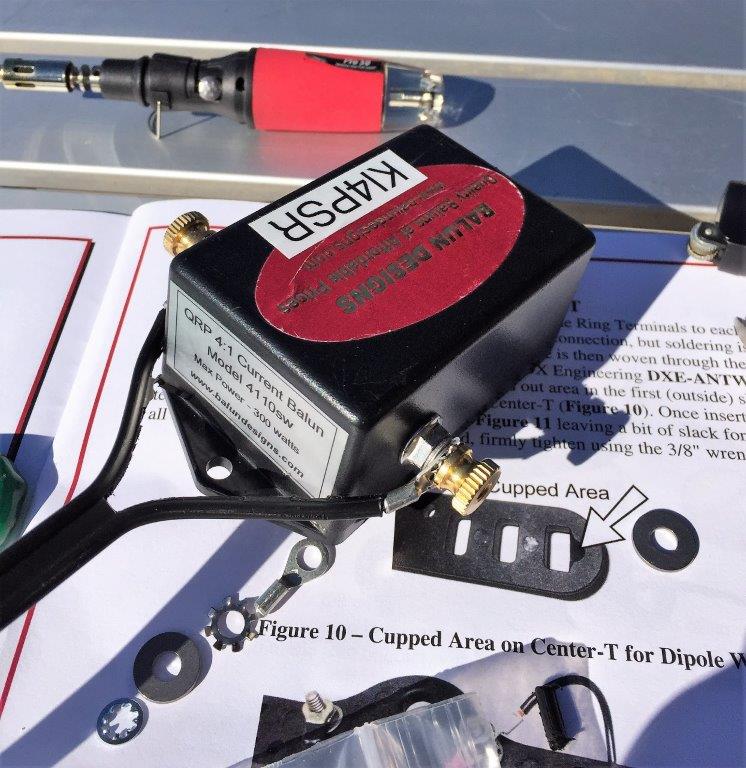
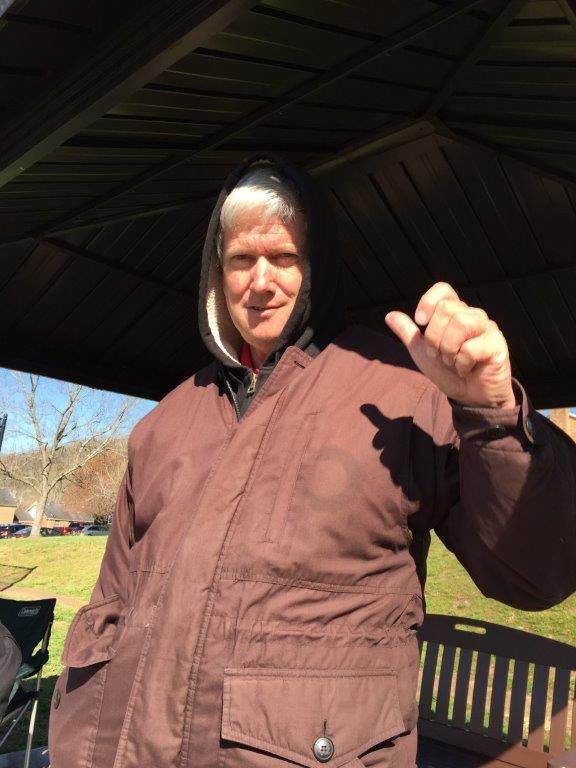
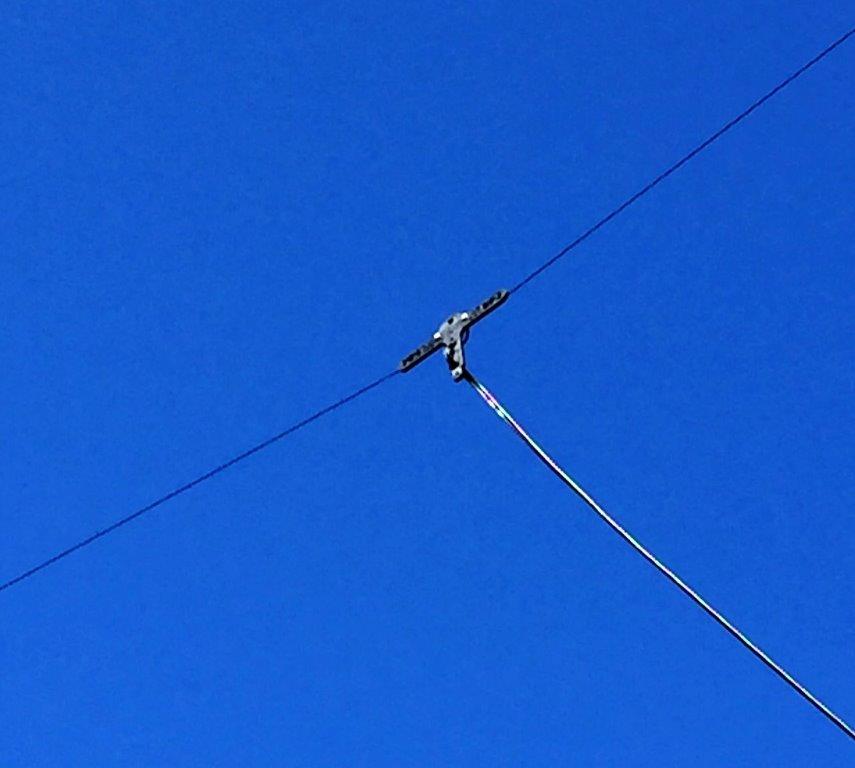
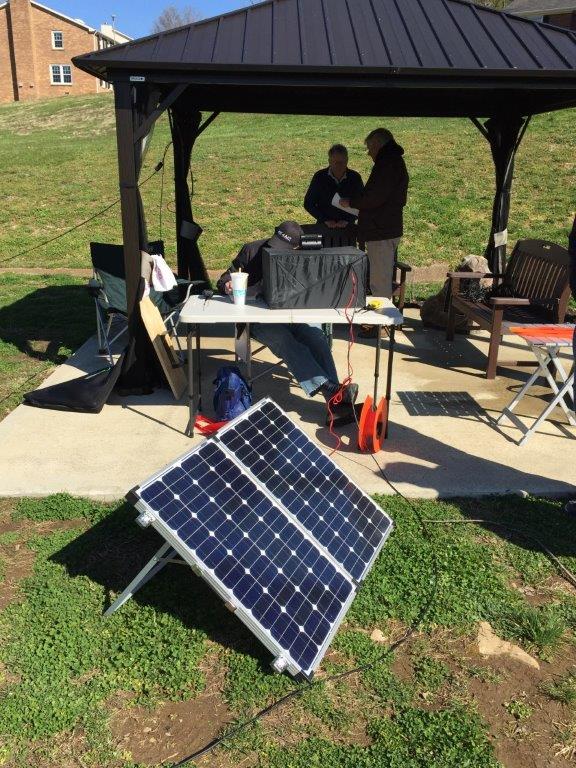
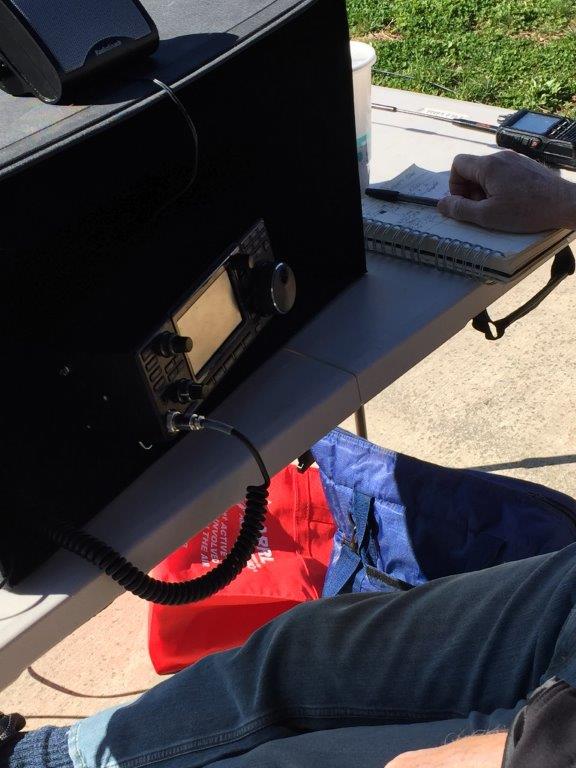
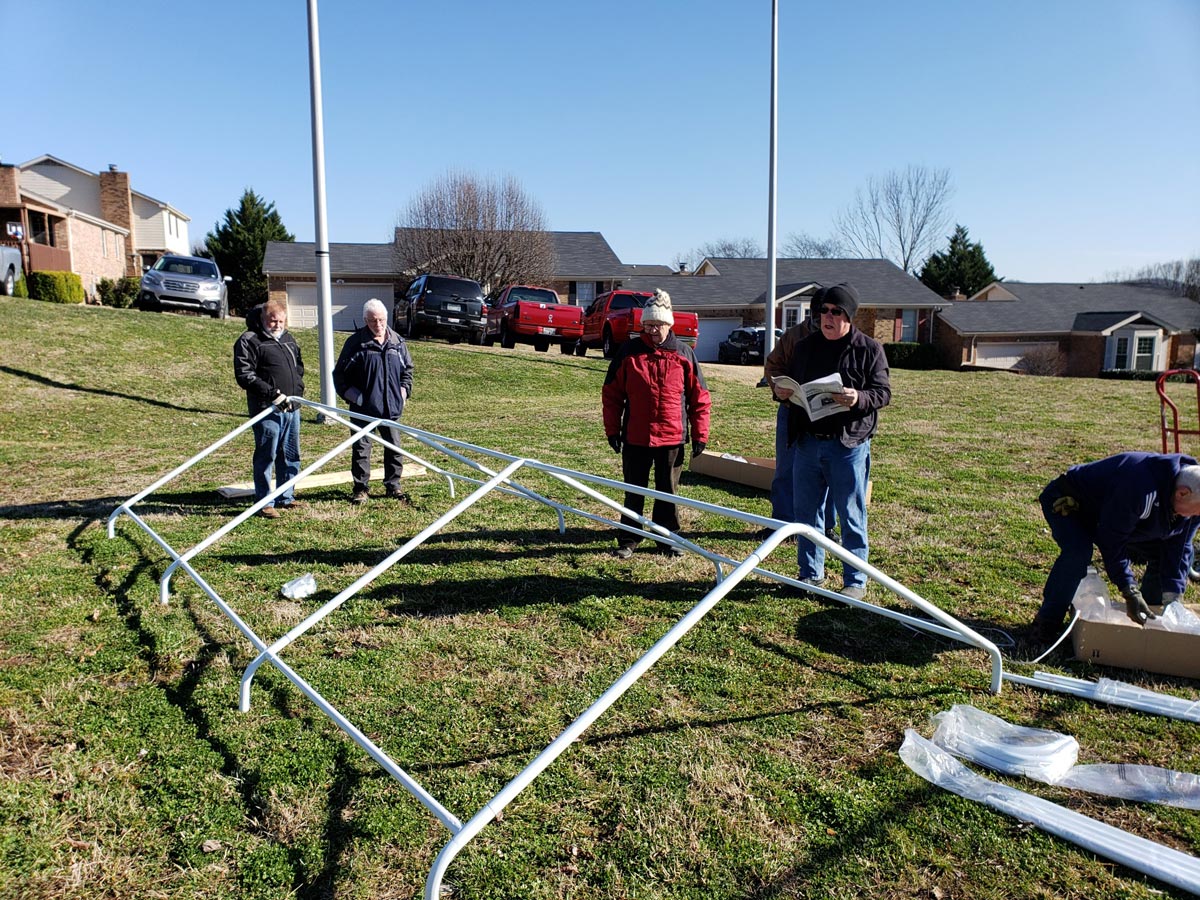
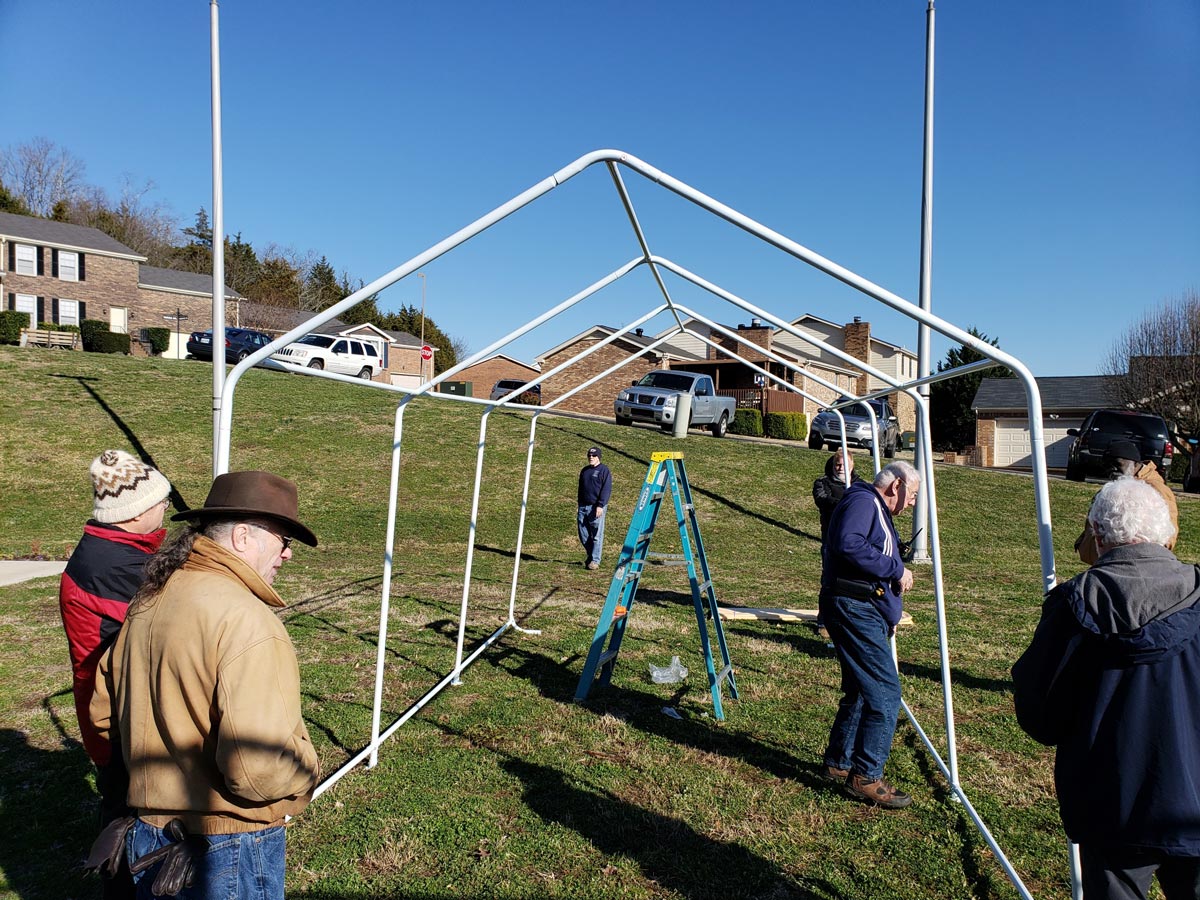
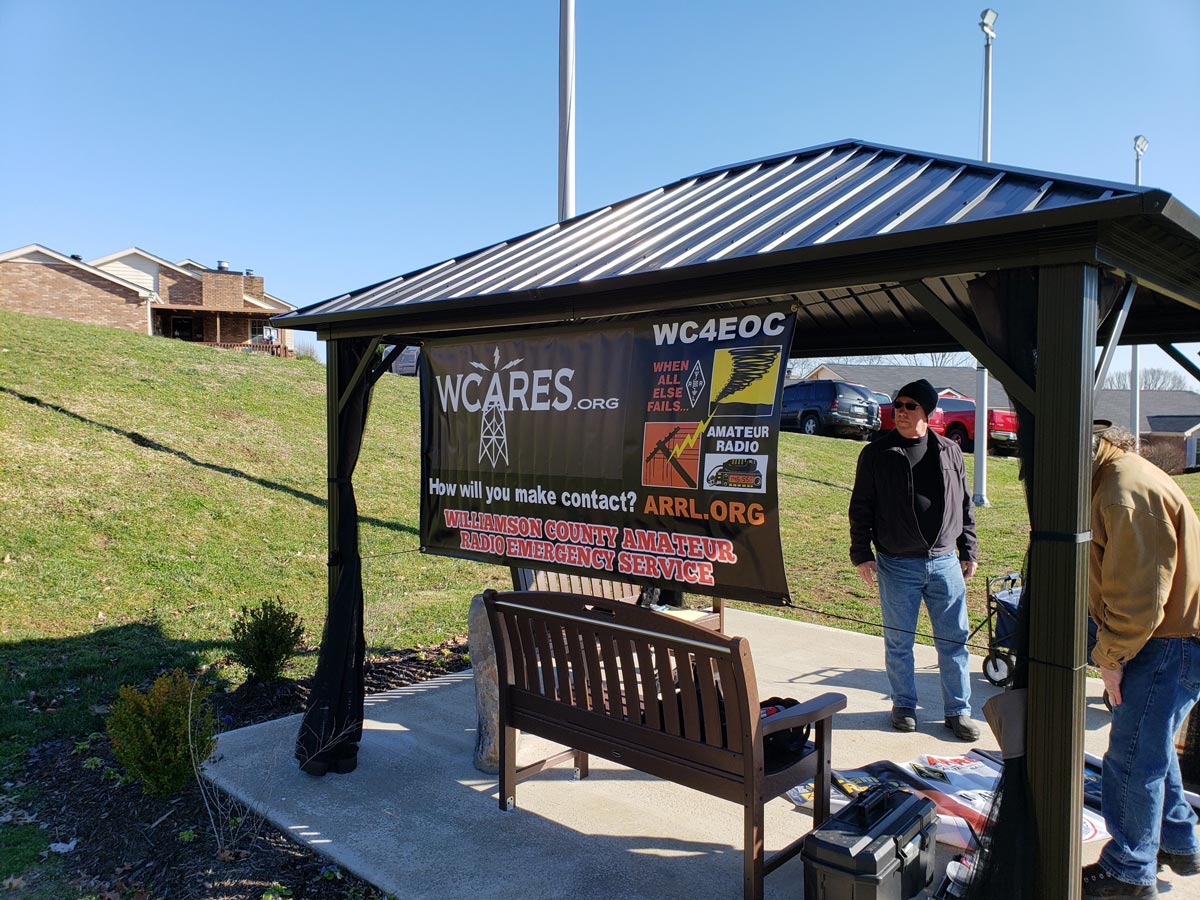
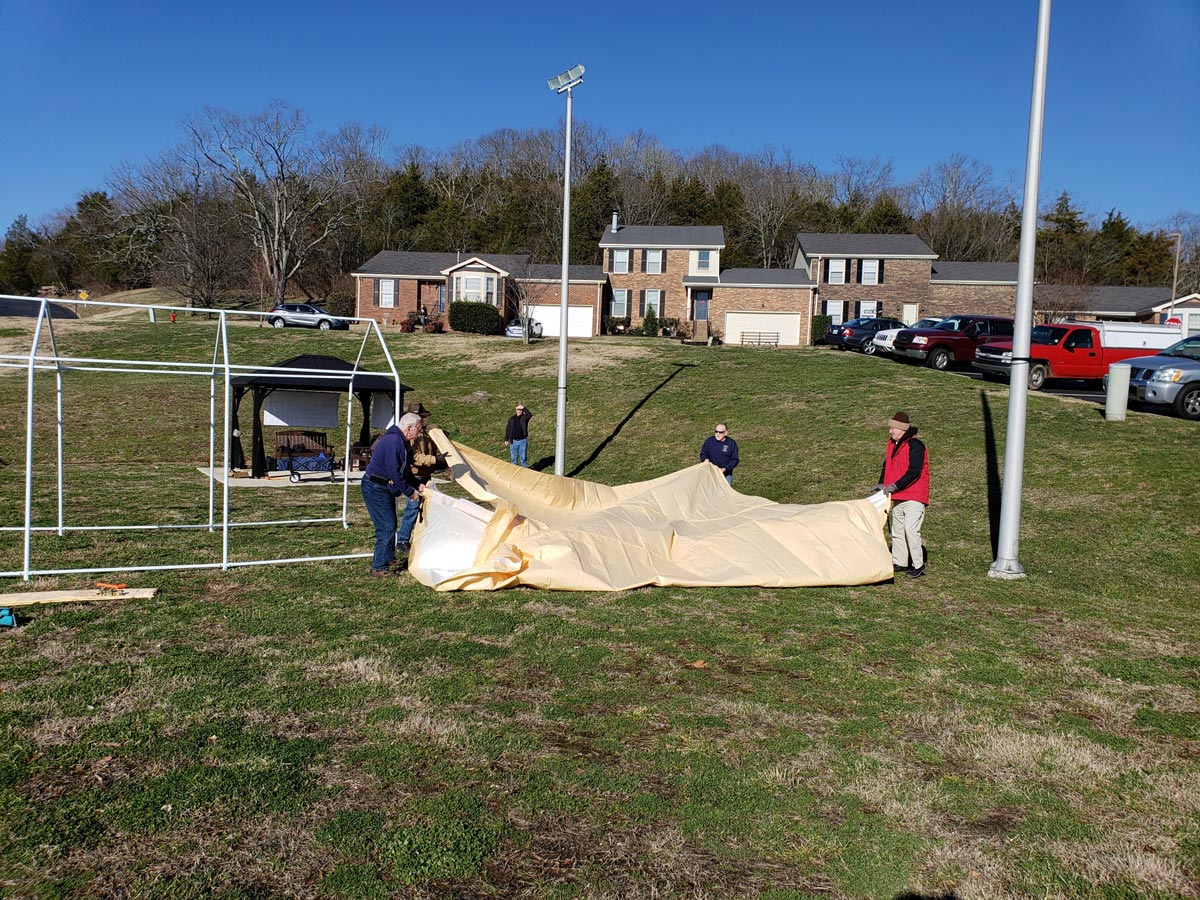
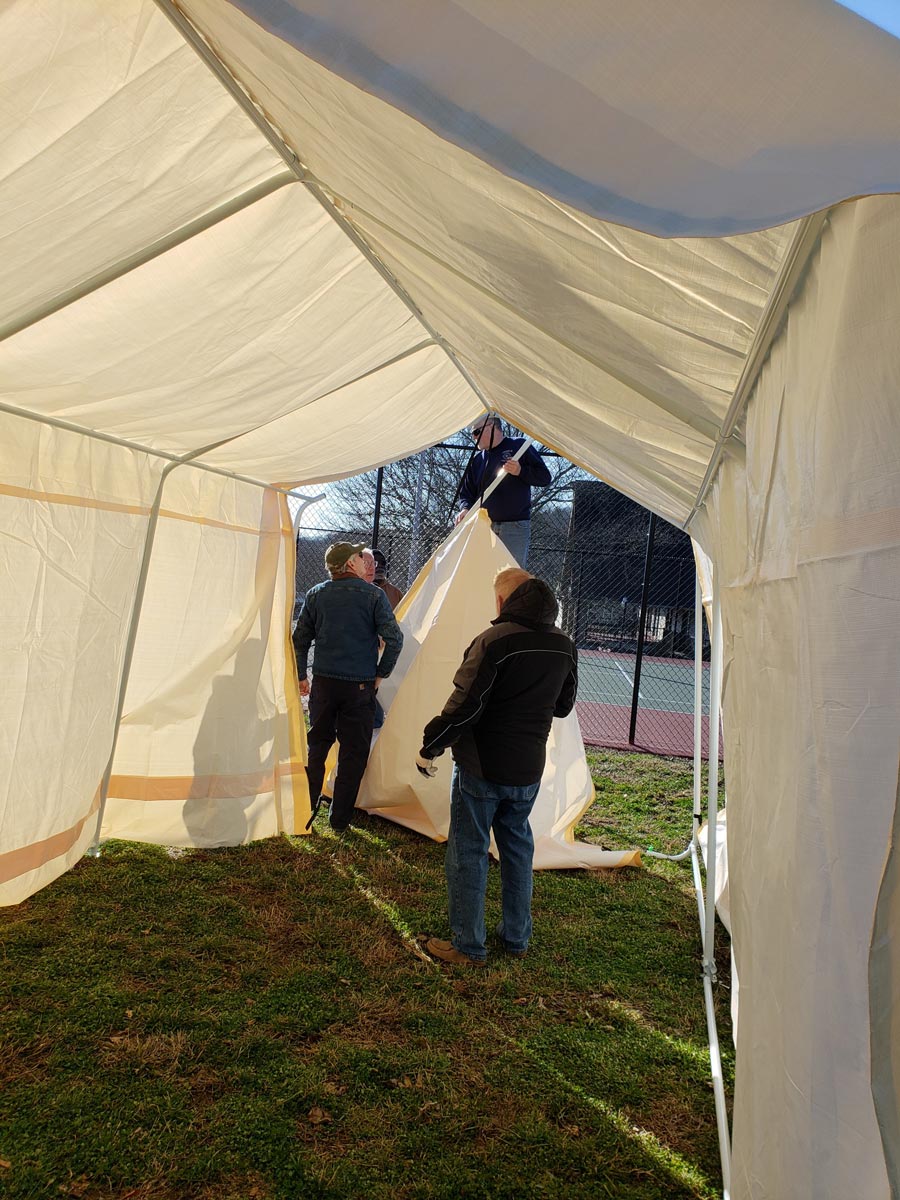
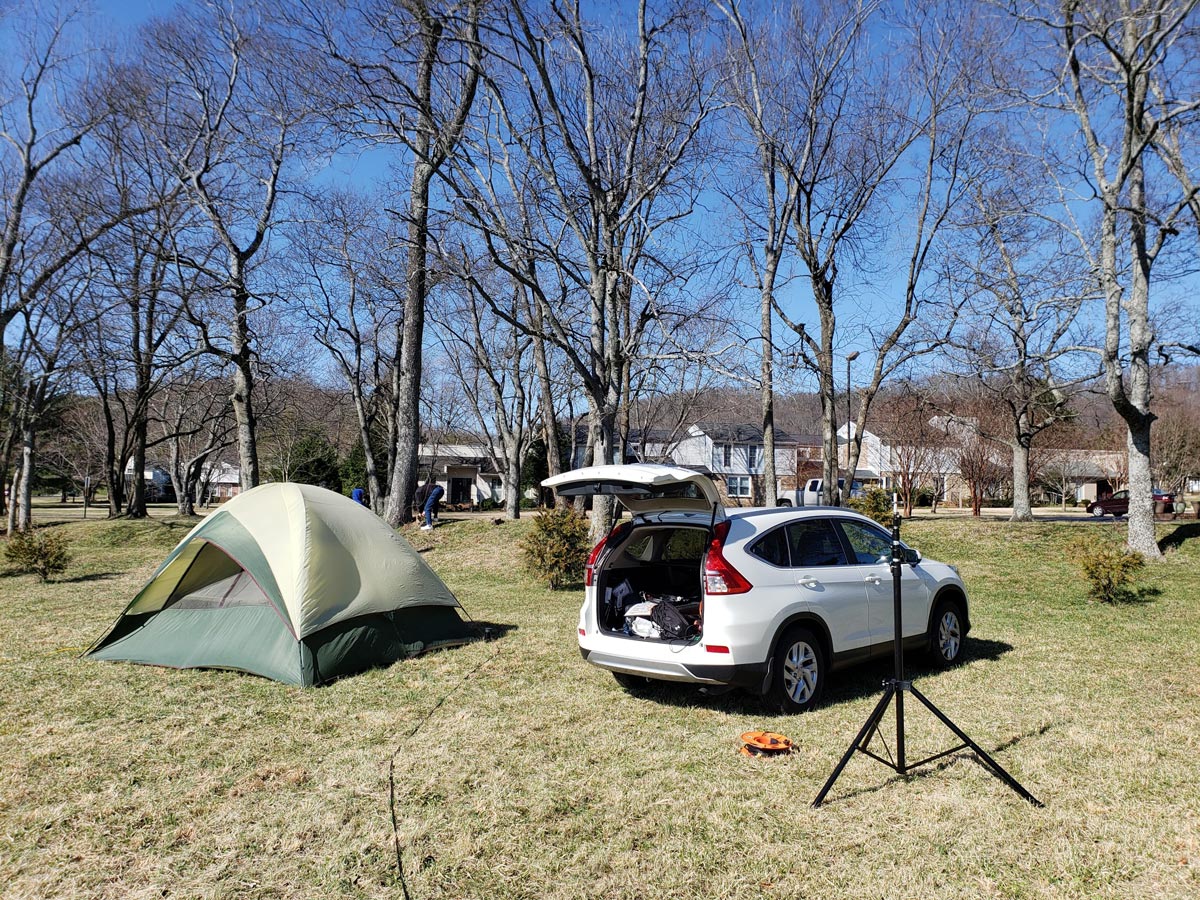
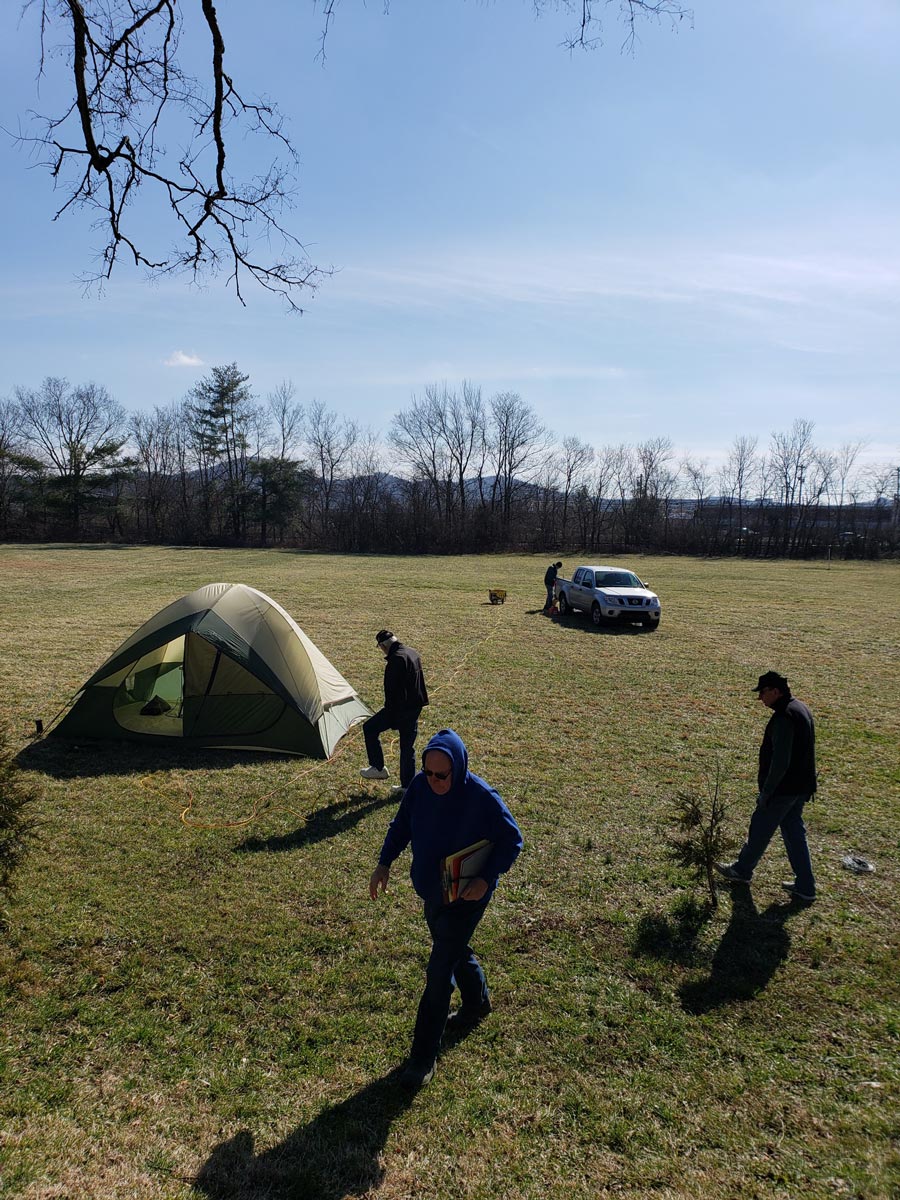
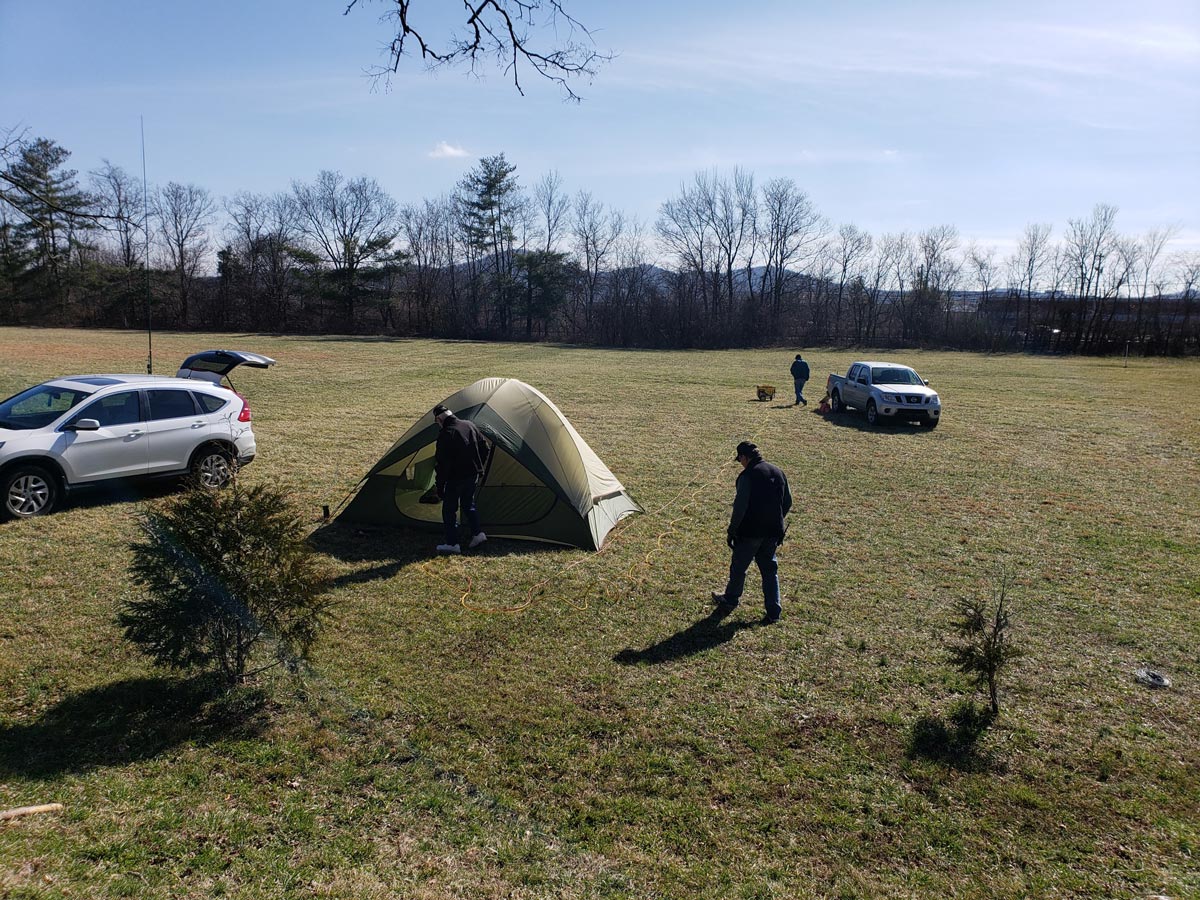
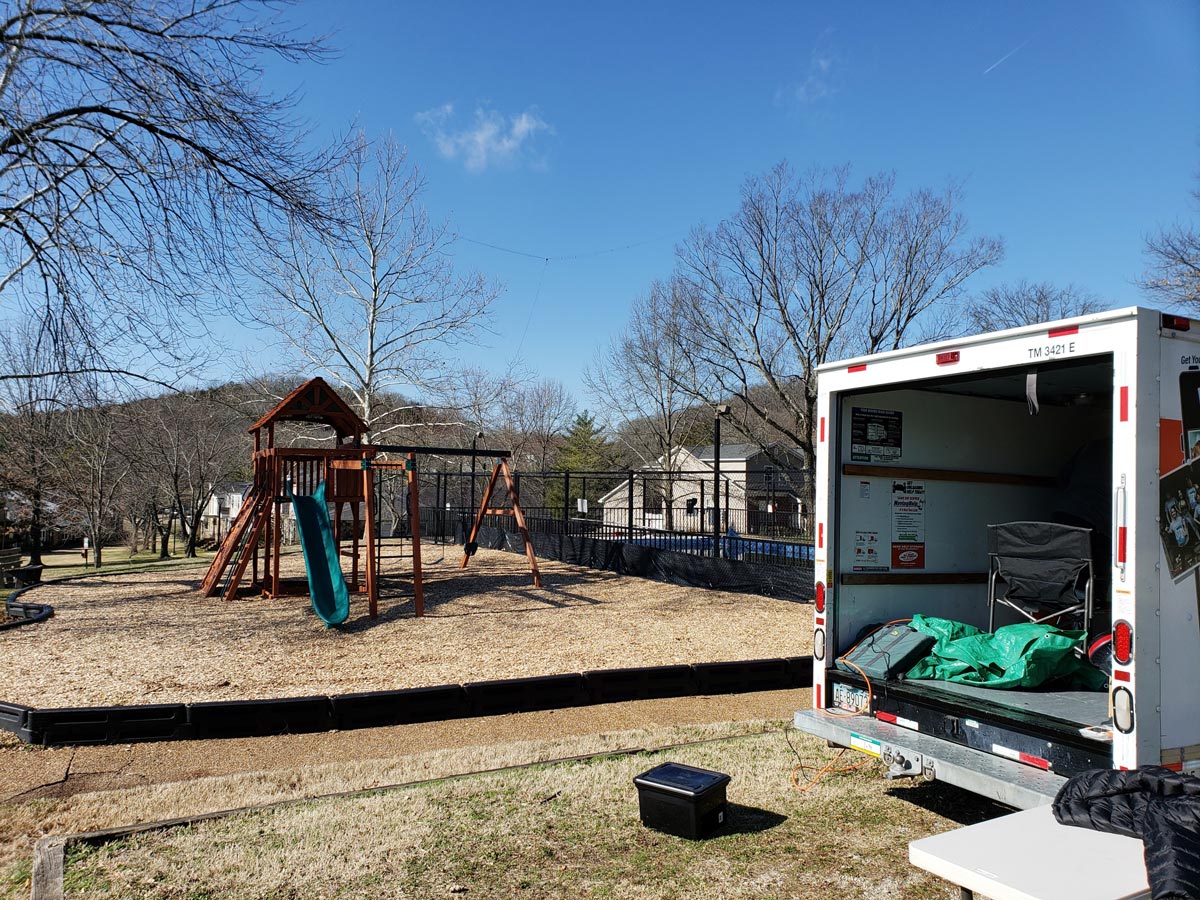
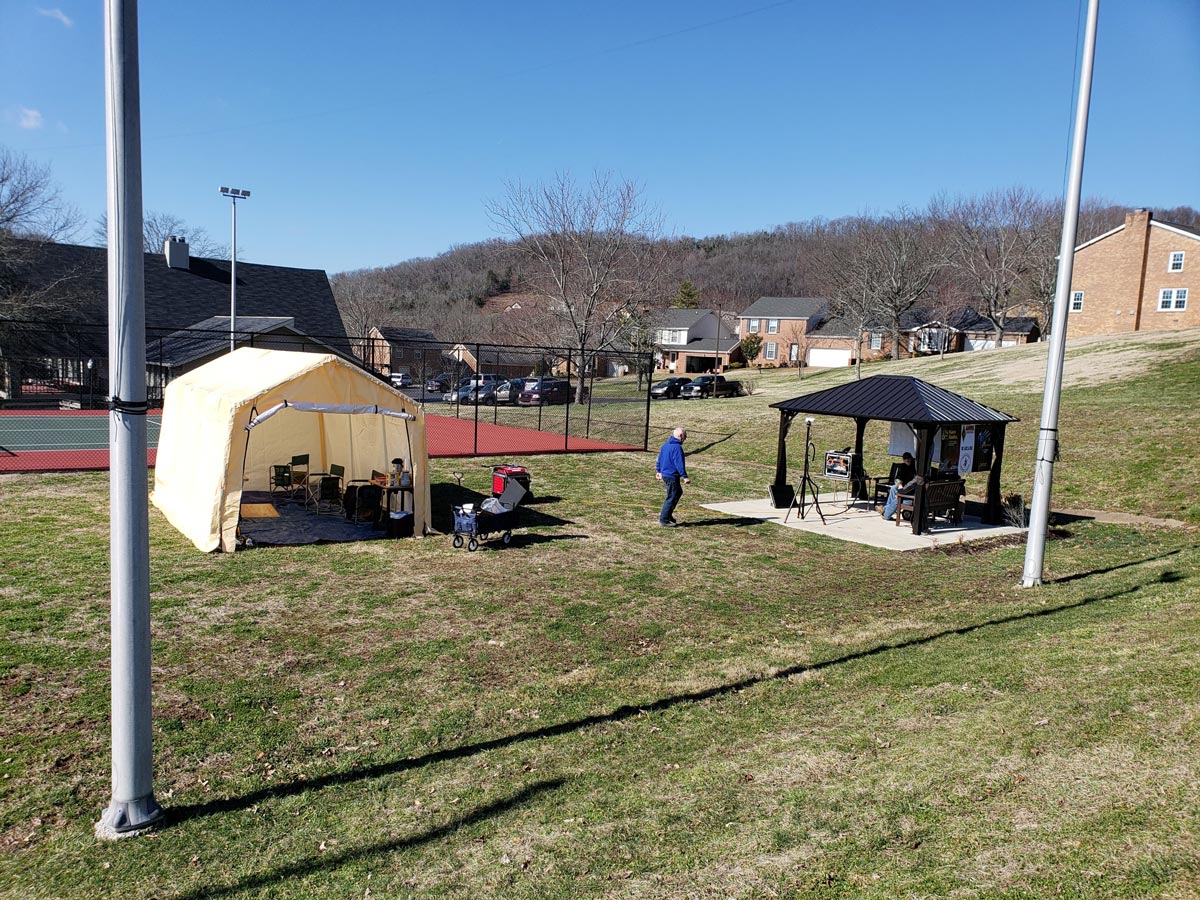
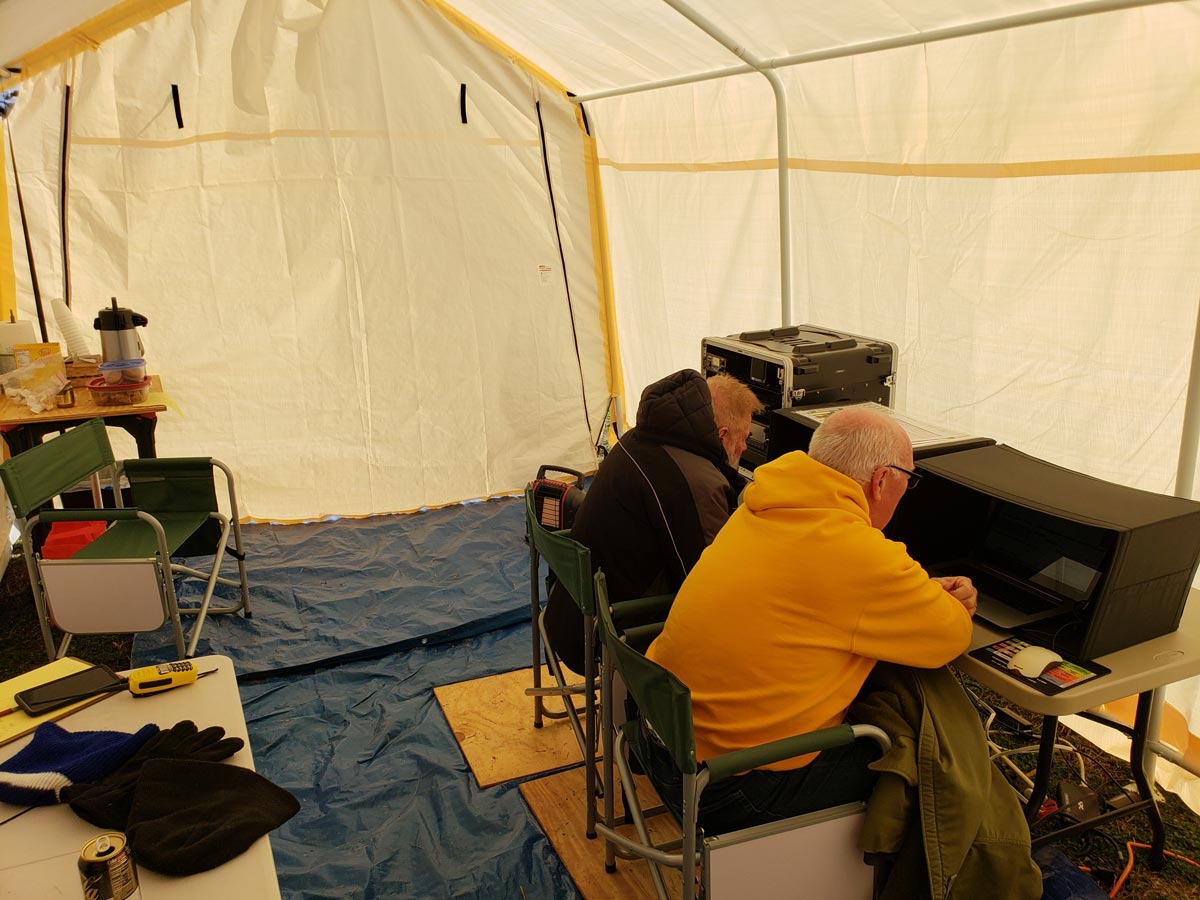
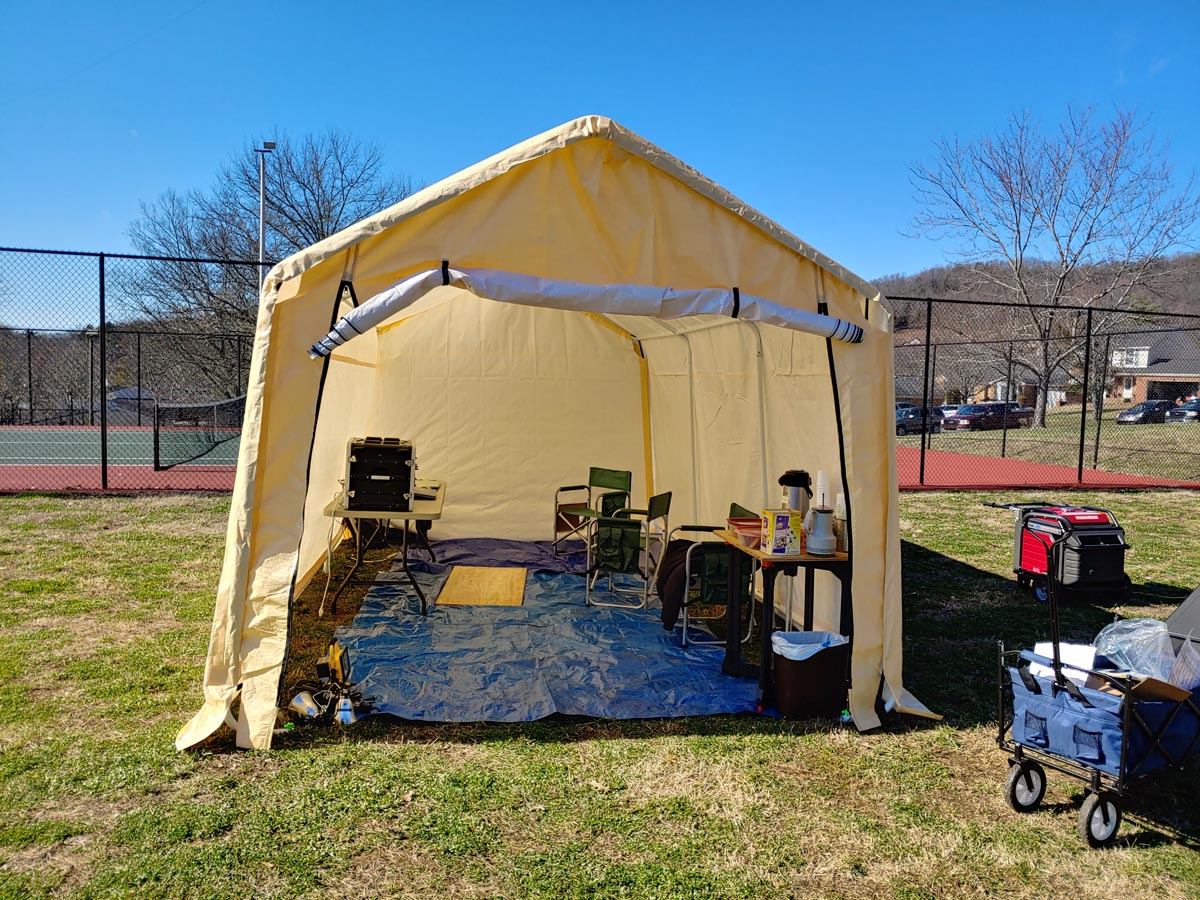
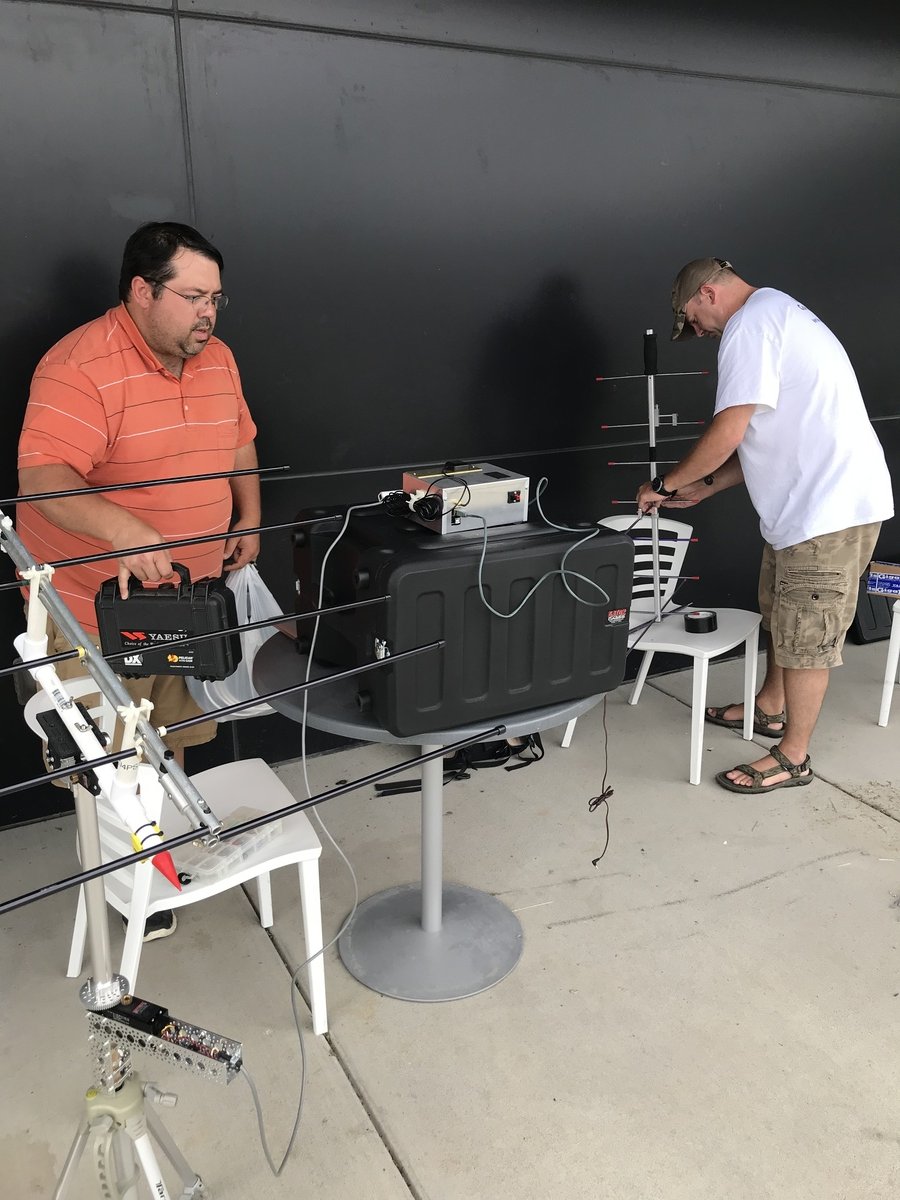
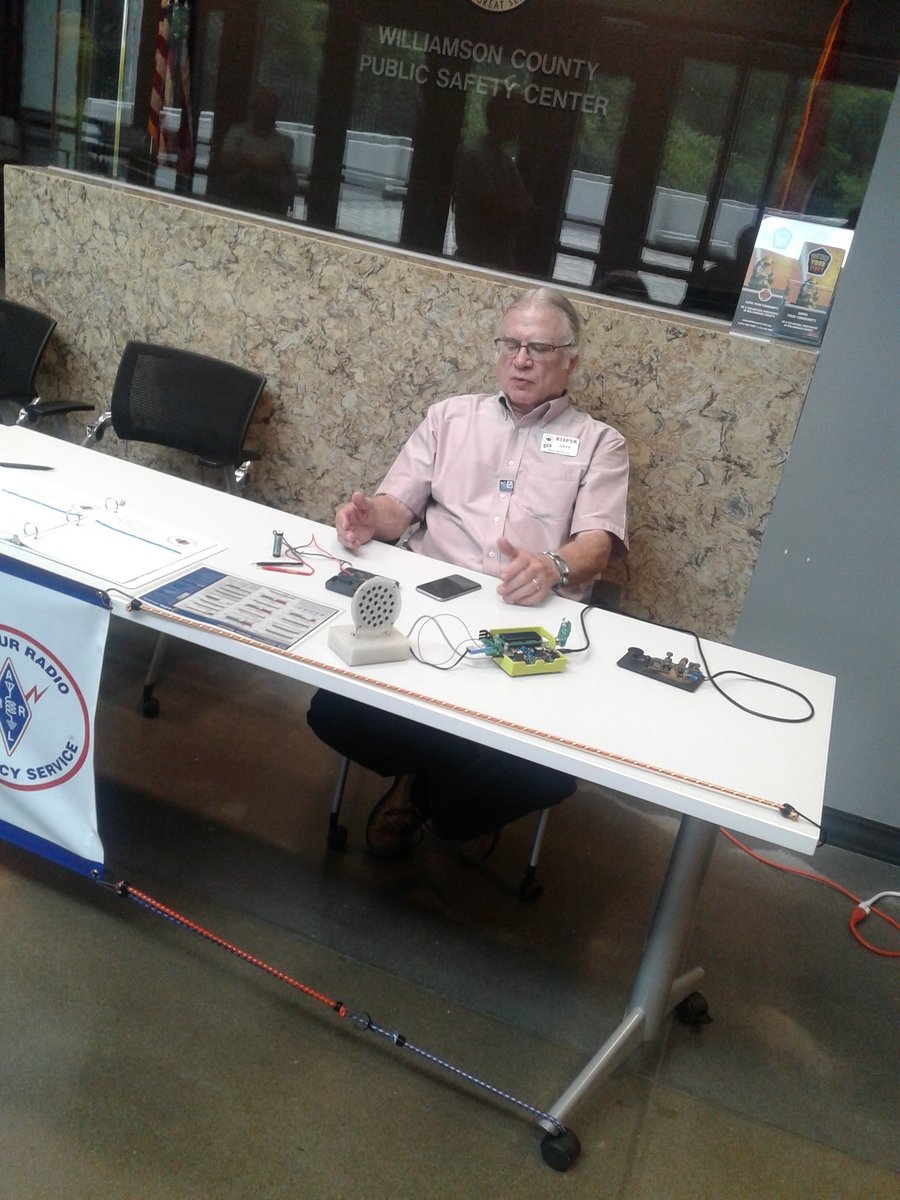
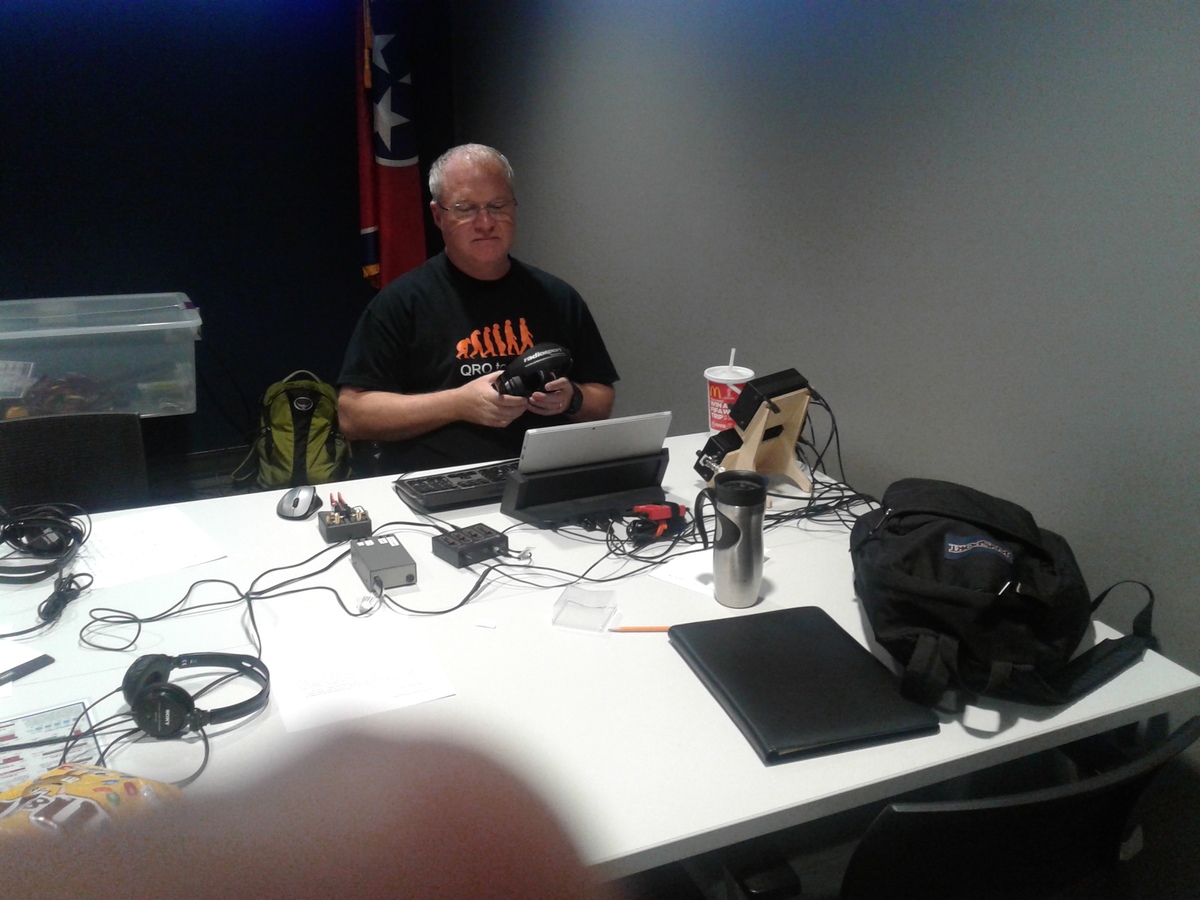
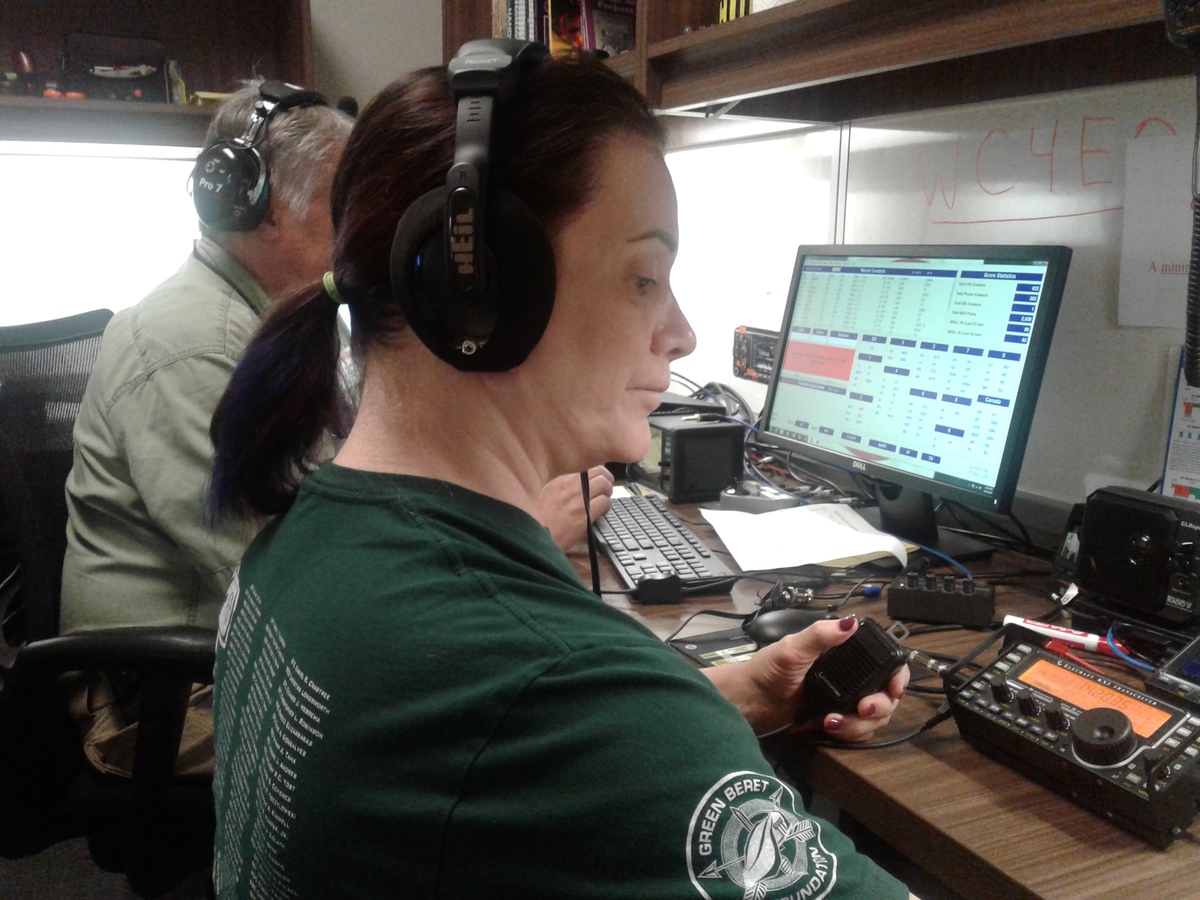
Inspired by the recent presentation on Windoms, Dave, KI4PSR with the help of Jon, KK4AIZ, Rob, KM4SOA , Paul, KM4PT and Doug, W4DML, built and tested the design during this past Tuesday’s Portable Ops. Dave said the SWR was great, just as described by Ted, W3TB.

From Jon:
“Station was Icom 7300, with battery and solar panels. We were able to tune 20, 40, 80, & 17. I made one contact into Western Pennsylvania; on 7.255 – missed NC callsign. Got a 5.6 report!”

Photos courtesy of Dave and Jon:


Windoms – modelling and aiming

Ted, W3TB gave a presentation at the March WCARES Monthly Meeting on Windom antennas. Ted discussed the use of Azimuthal Equidistant maps for antenna planning and aiming, gave a demonstration of modelling the Windom using the EZNEC demo and discussed building the Windom.

Ted’s presentation files are attached:

1 – the Azmuthal-Equidistant map of the world centered on Franklin
2 – the PowerPoint that Ted used in the presentation
3 – the article from 73 Magazine, Sept 1980, about the Windom (The Internet Archive maintains copies of this magazine: https://archive.org/details/73-magazine )

Additionally, an image combining the Franklin azimuthal map and the antenna plots as shown above is here.

And try out a simple website demo to see how rotating the original antenna plot compares with locations on the map:

https://wcares.org/windom201903-azimuthal-rotation/


WCARES 2019 Winter Field Day pictures

WCARES members were out in force for this year’s Winter Field Day.

So, a few hours before midnight; 30 degrees at best; Traffic on Moores lane is near zero; the small tent is keeping us warm; On 80 meters; Three portable antennas in the field; The operator (N4CCB) decides to run a frequency (call CQ); I’m logging and chomping at the bit; Tuned up; Boom! …Two, Three, then four contacts a minute; Canada, Wisconsin to Alabama, Ohio, Western New York inbetween.
Talk about a RUSH! The CW station had similar runs at kick-off time.

Photos taken by Jon, KK4AIZ and Paul, KM4PT


Online Spotter Classes – NWS OHX

To sign up for the spotter classes visit: http://weather.gov/ohx/skywarn

From the National Weather Service:

“Online classes offer all the information that our in-person spotter classes offer with the added convenience of attending in the comfort of your own home!

Classes are FREE and open to people of all ages.
Each class is hosted by a National Weather Service Meteorologist from the Nashville WFO.

Classes run approximately 2 hours including a Q&A session.”

To sign up for the spotter classes visit:

http://weather.gov/ohx/skywarn

Basic Spotter Classes Advanced Spotter Classes
All start at 6PM All start at 6PM
Tuesday February 19 Tuesday March 5
Thursday February 21 Tuesday March 26
Tuesday February 26 Thursday March 28
Friday March 1  
Thursday March 7  

Chokes, Baluns & Ununs

Dave, KI4PSR gave an informative talk on Chokes, Baluns and Ununs at the November Chew & Chat.

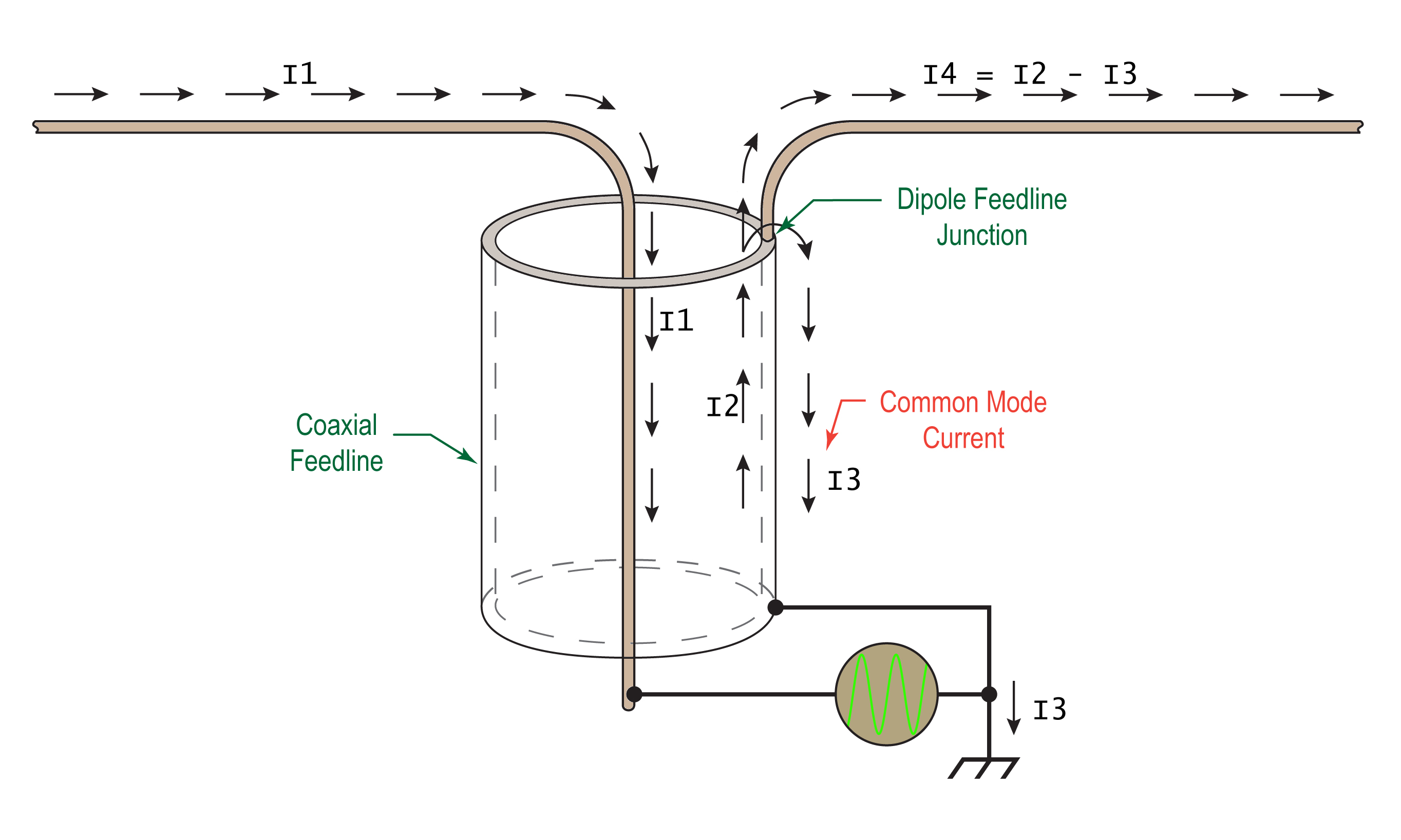
His talk covers some of the history of transmission line transformers leading to the development of baluns, ununs and choke baluns as well as definitions and theory. Some discussion on chosing the right balun included ideas on measuring common mode current, consequences of high- vs. low-power wiring, misconceptions about ratios, use of ladder line with baluns and grounding. Finally Dave walked us through a number of examples based on different antenna configurations including some being used by WCARES members.

If you missed the presentation or just want to review, Dave has provided his slides and text; You can find PDF copies at the following links:

Slides
Text/Script

Common mode current on the feedline of a dipole without a balun


Top 10 for Field Day 2018 – with pictures

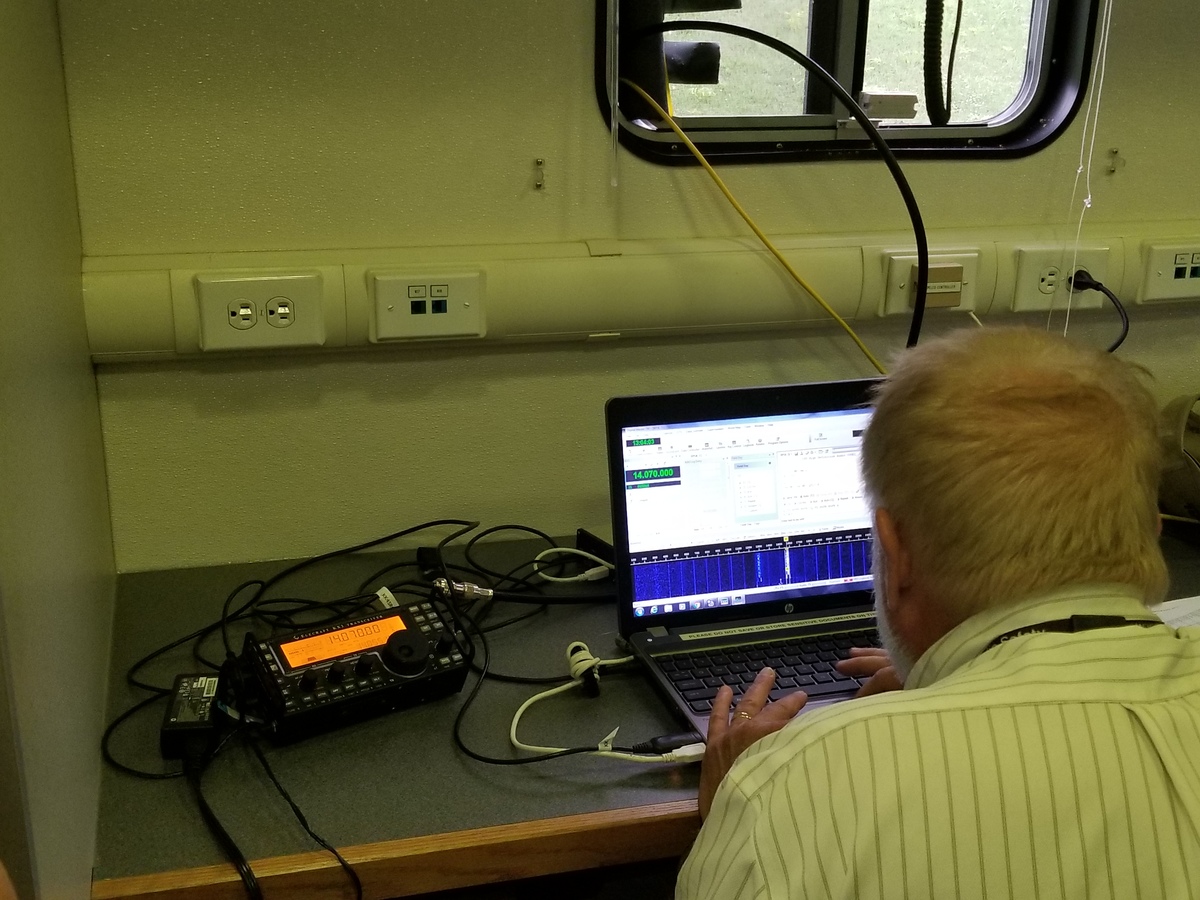
During the preparations for Field Day 2018, Carl KB9DKR had talked about the “moonshot” possibility of WCARES breaking into the Top 10 list in QST Magazine. Well, the results are in and we did it! WCARES placed 9th overall out of 2903 groups participating with a score of 14290 and we were 1st among the 186 EOCs that took part this year.

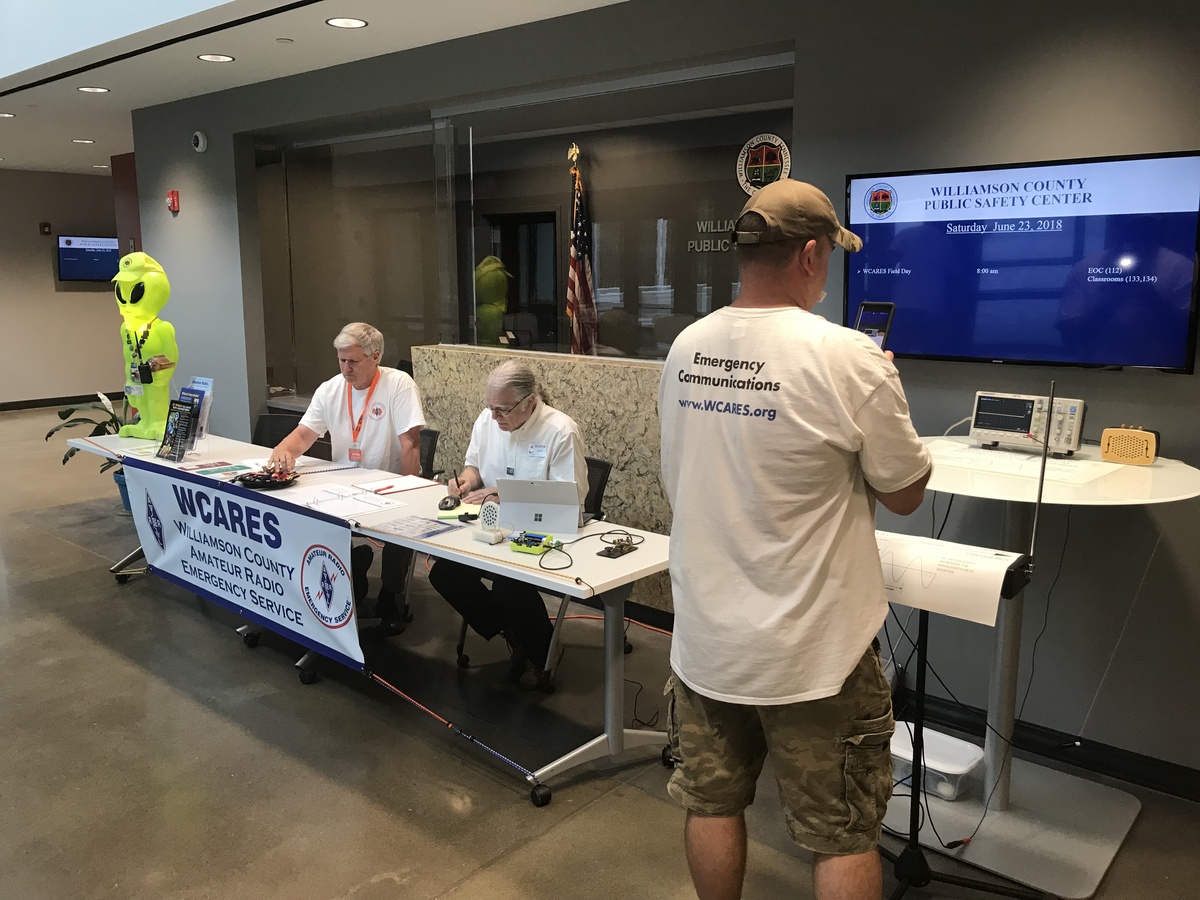
A HUGE thanks to Cliff, N4CCB and Carl, KB9DKR who inspired us and coordinated and managed our effort this year along with all the station captains – Jeff and Peter (SSB), Tim and Cliff (CW), Phil (Digital), Al (VHF), Janise and Joe (GOTA), Jon and Jason (Satellite), Dave (fantastic Welcome Table) – and everyone who participated or volunteered to help.

We’d also like to thank Commissioner Dana Ausbrooks, of course Bill Jorgensen, Director of Williamson County Office of Public Safety and our EC, Randy Moore, KK4SRO along with the many visitors and GOTA participants for taking part and making this possible.

The December issue of QST has all the 2018 Field Day results, starting on page 71.

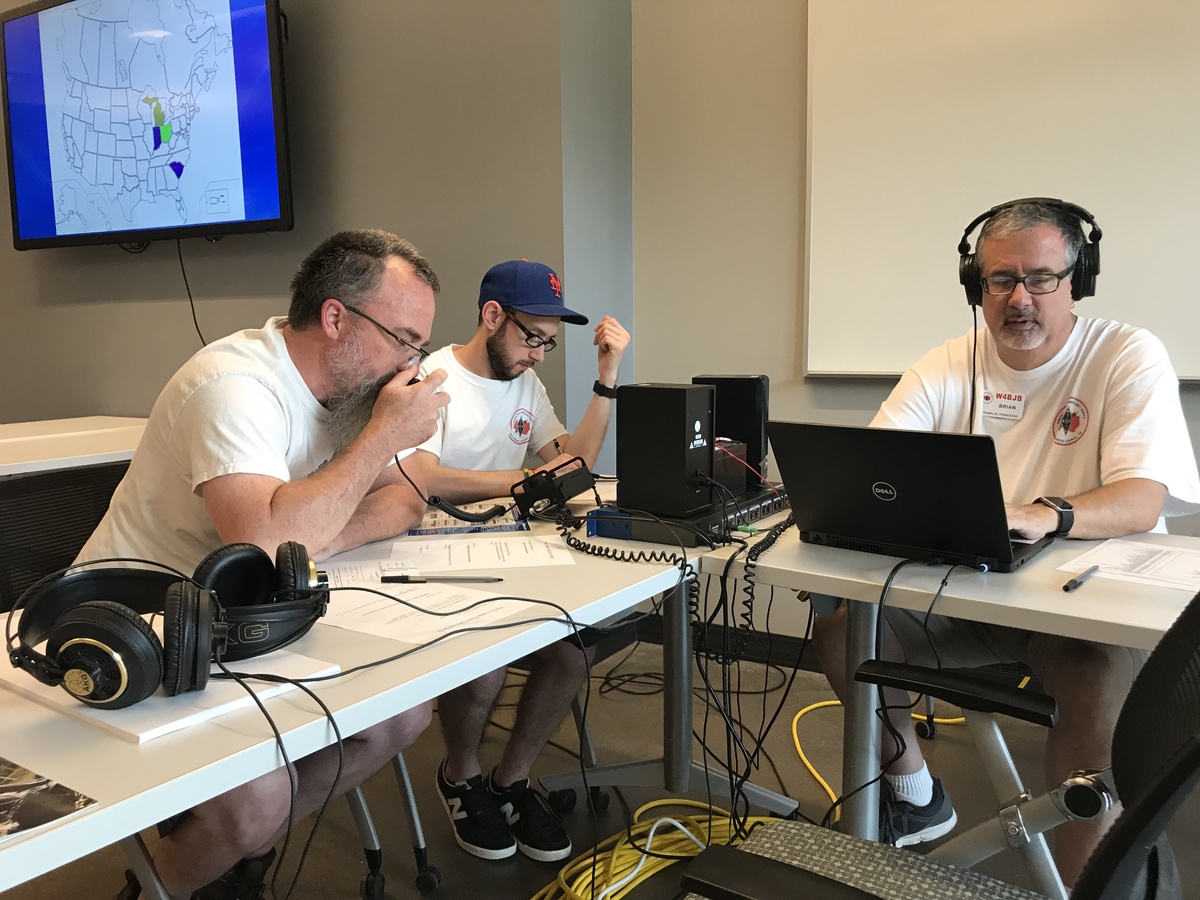
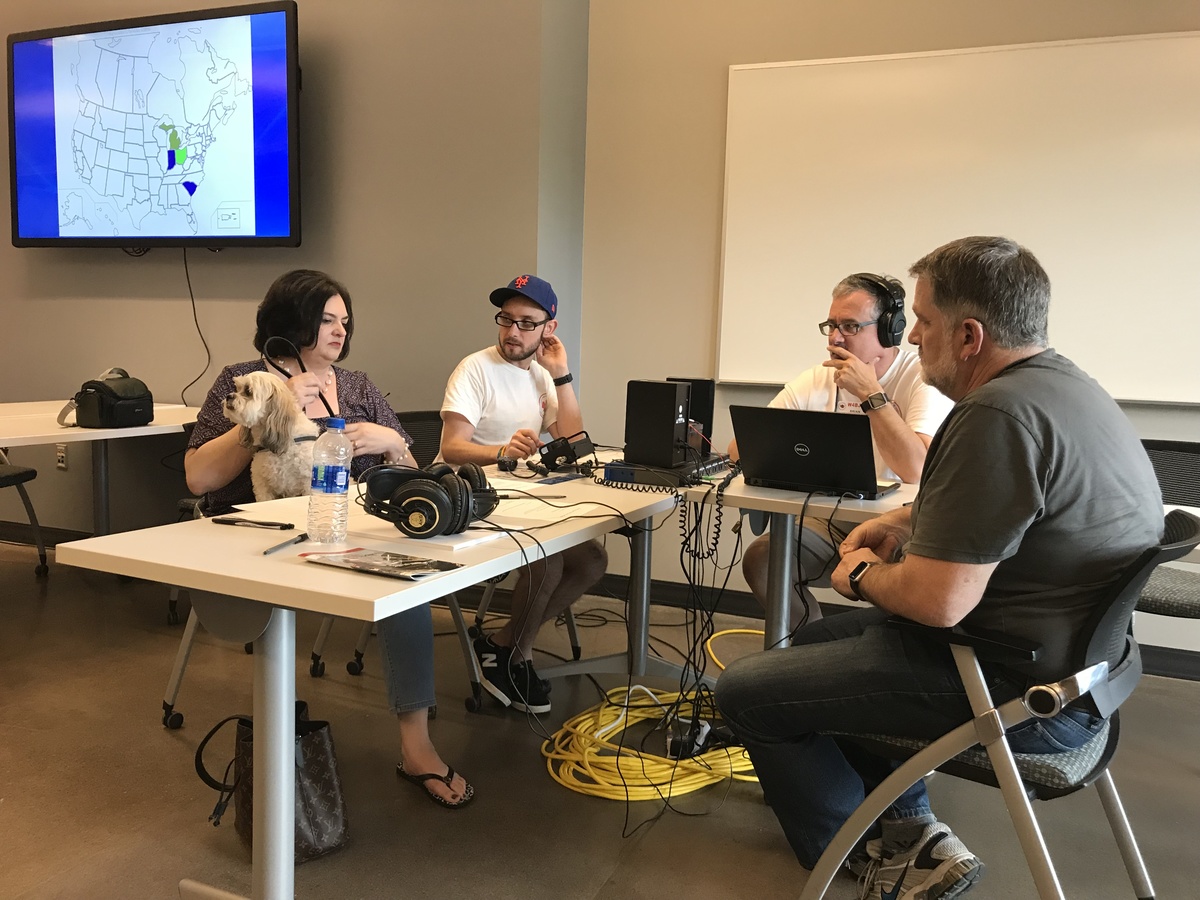
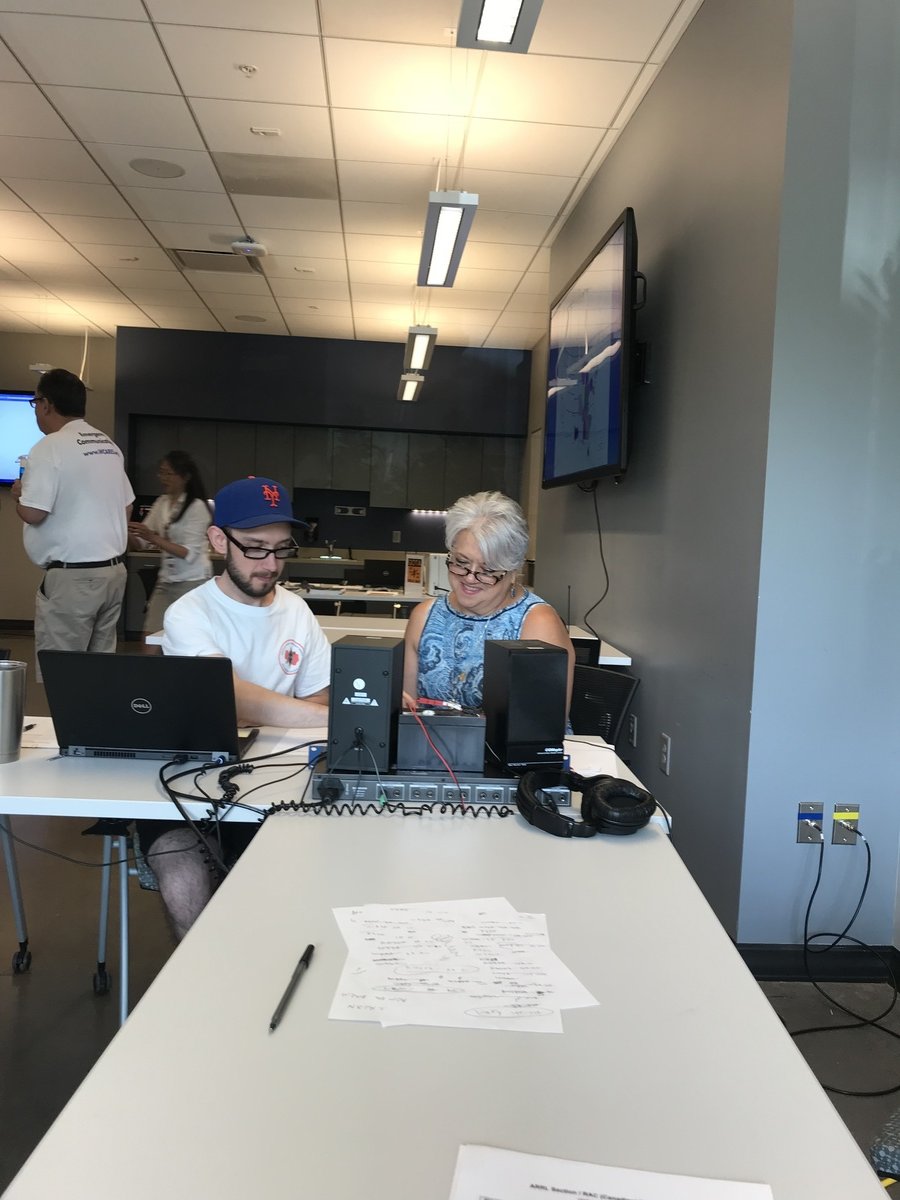
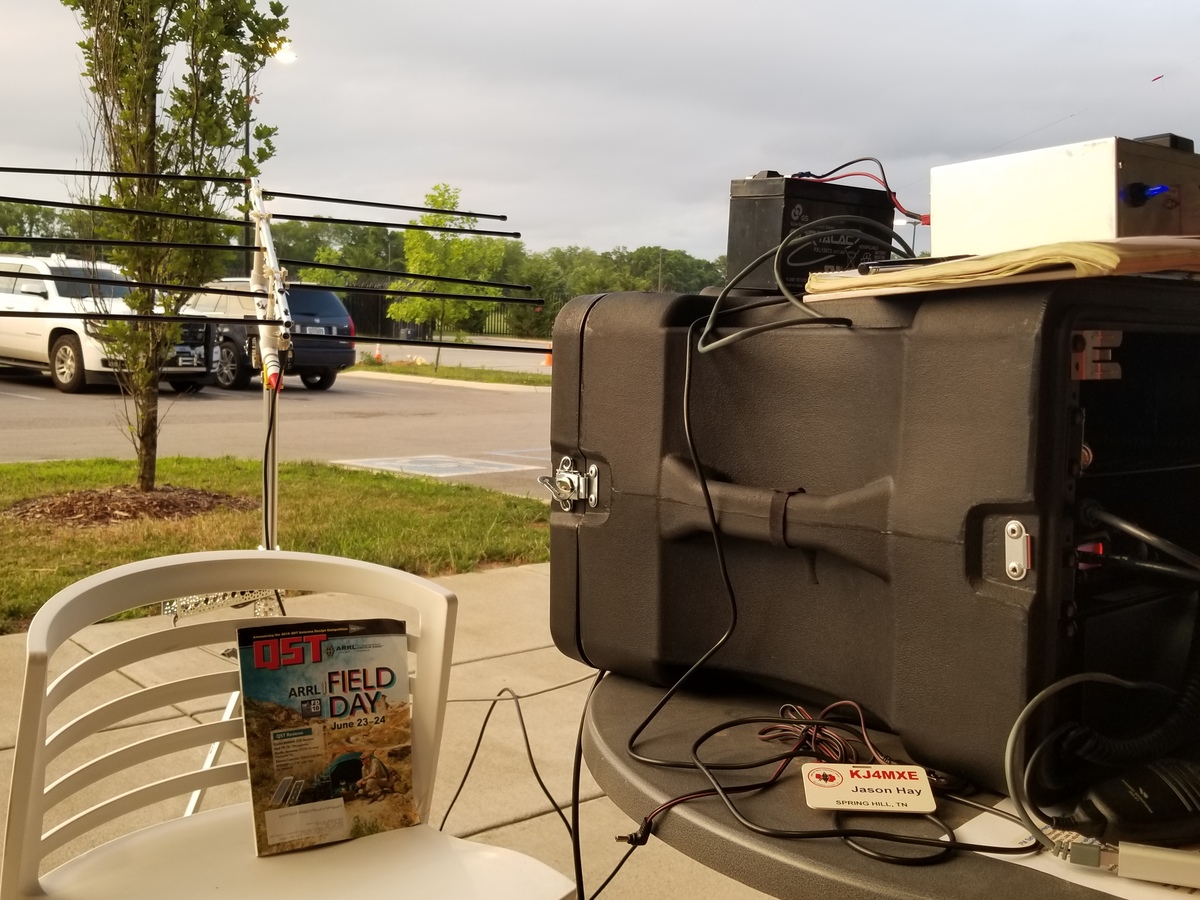
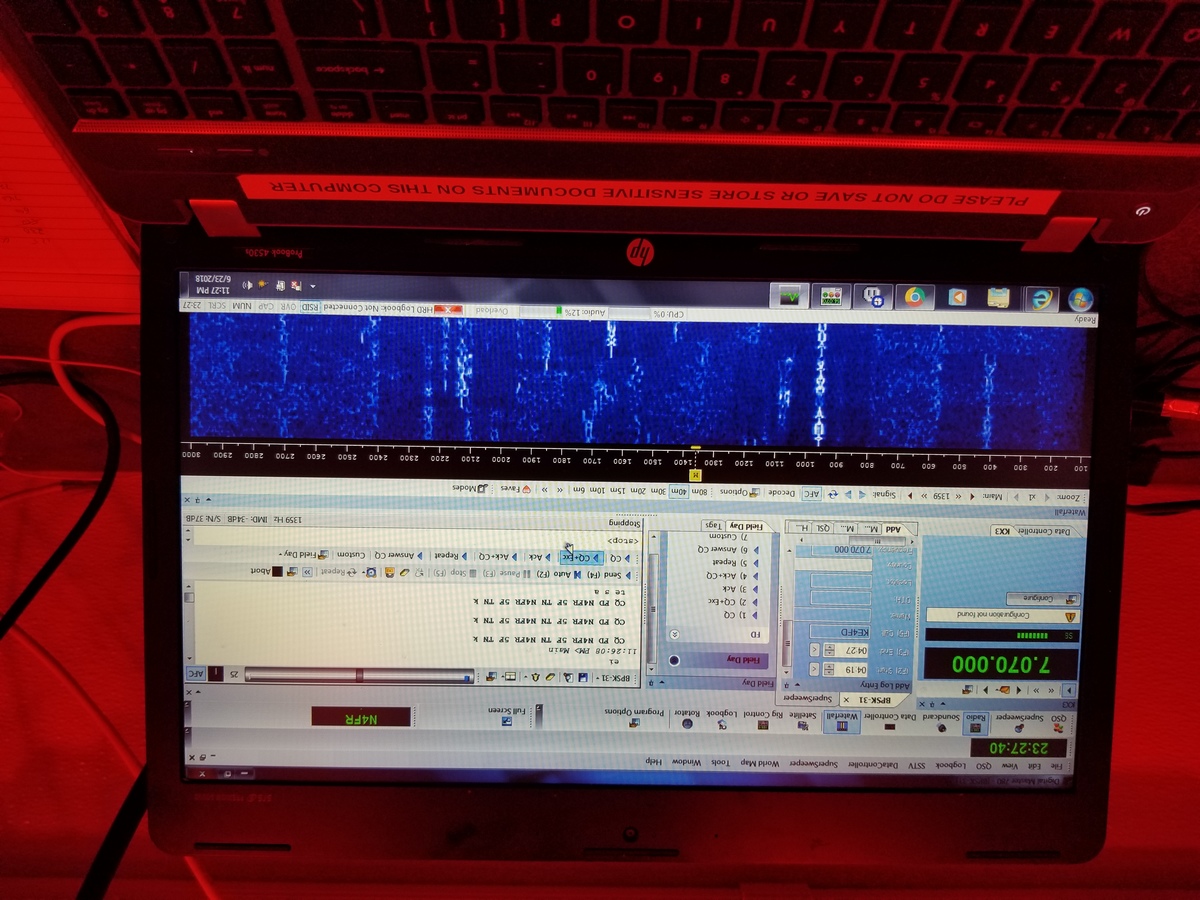
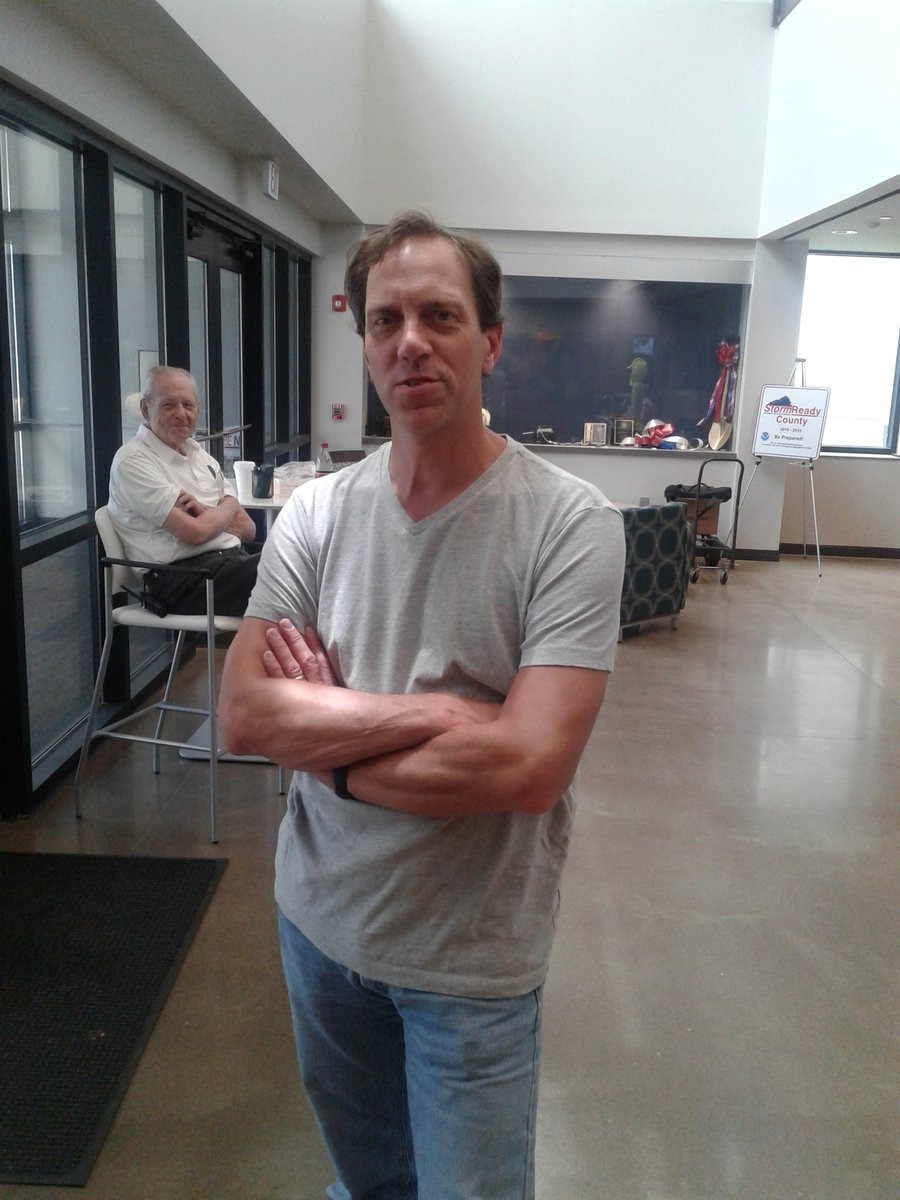
Pictures from WCARES 2018 Field Day.

Using WSPR – a presentation by Tim Kreth, AD4CJ

At the recent October Chew & Chat meeting Tim Kreth, AD4CJ, gave an interesting talk introducing members to WSPR and the WSPRlite. The presentation included discussion on using WSPR to learn about HF propagation, the WSPRlite and related resources. Tim also discussed the calculations necessary and presented a spreadsheet tool useful for converting WSPR signal levels to a relative approximation of what might be needed for other modes such as CW or SSB. The presentation and the spreadsheet are available via the links below:
WSPR Presentation (PDF)

Spreadsheet for Signal level conversion (XLSX)


Does your receiver have an IQ? A talk by Dave Matthews, KI4PSR

Dave Matthews, KI4PSR gave a talk at a recent Chew & Chat. The talk covered receiver designs over time and included discussion of the Tayloe detector.

Randy Moore, KK4SRO, our EC, has uploaded a video of Dave’s talk to Youtube and Dave’s slides are available as well:

https://youtu.be/ZOvZlDoVlBw

and

Does-Your-Receiver-have-an-IQ.pdf


WCARES featured in Williamson Herald Field Day 2018 story

WCARES is featured in a story posted by the Williamson Herald and written by 

The story features interviews and photo’s of members.

Read the story via the link below:

http://www.williamsonherald.com/features/w_life/article_071bc9fc-7a8f-11e8-a0d4-6be882fb3e50.html


Field Day 2018 – Thank-you to all who took part!

Randy Moore, KK4SRO, WCARES EC would like to thank everyone who took part in what turned out to be a magnificent Field Day this year. It appears we did very well with numbers up in all categories. A big thank-you to Carl, KB9DKR and Cliff, N4CCB for all their hard work putting this event together.

Carl, KB9DKR echoed Randy’s words and congratulates all of the WCARES operators. Every station exceeded last year’s QSO targets – we’ll need to wait for the official results in November’s QST magazine but it appears we will do very well again this year. Carl thanks Commissioner Dana Ausbrooks and Williamson Co. Public Safety Director Bill Jorgenson for taking the time out of their schedules to visit our event and get on the air – Commissioner Ausbrooks at the GOTA station and Director Jorgenson operating at one of our SSB stations.

Carl also would like to give special recognition for the GOTA station which was planned, organized and run by Janise, KK4HTA and Joe, KM4QJW again this year. GOTA really knocked it out of the park this year. This station had the most positive attitude of any amateur station that Carl has ever encountered. The station was very carefully designed including a new station layout to facilitate pictures of the operators, multiple listeners and a separate space for printing of certificates and photos with the GOTA coach – all very important aspects of the public outreach that is part of GOTA. The great work done on the GOTA station will last a very long time. GOTA made 55 contacts and we would all like to recognize Janise and Joe for all the hard work running that station.

If anyone has photos or comments please get in touch with David, KK4CQD by e-mail kk4cqd@arrl.net .

Carl’s own person hightlight:

It was great to see so many of our WCARES operators working together. While working CW2 on Sunday morning, I came across a loud 10M beacon from Canada so I ran over to tell Jon Kessell who was working SSB1 and then returned to my station to call CQ and watch the band populate with signals on the pan adaptor. Then, I glanced at the logbook data and noticed that Jon had filled the entire screen with SSB QSOs–simply amazing for 5 watts. It was a phenomenal opportunity to be very early on what became the dominant propagation trend for the biggest radio event of the year. Oh Canada beacon, thank you! Carl KB9DKR